Projects

Shows, collaborations and courses: the events behind the pieces.

(01)

Intro Fashion Show

Vienna, Otto Wagner Areal, Küchenpavillon

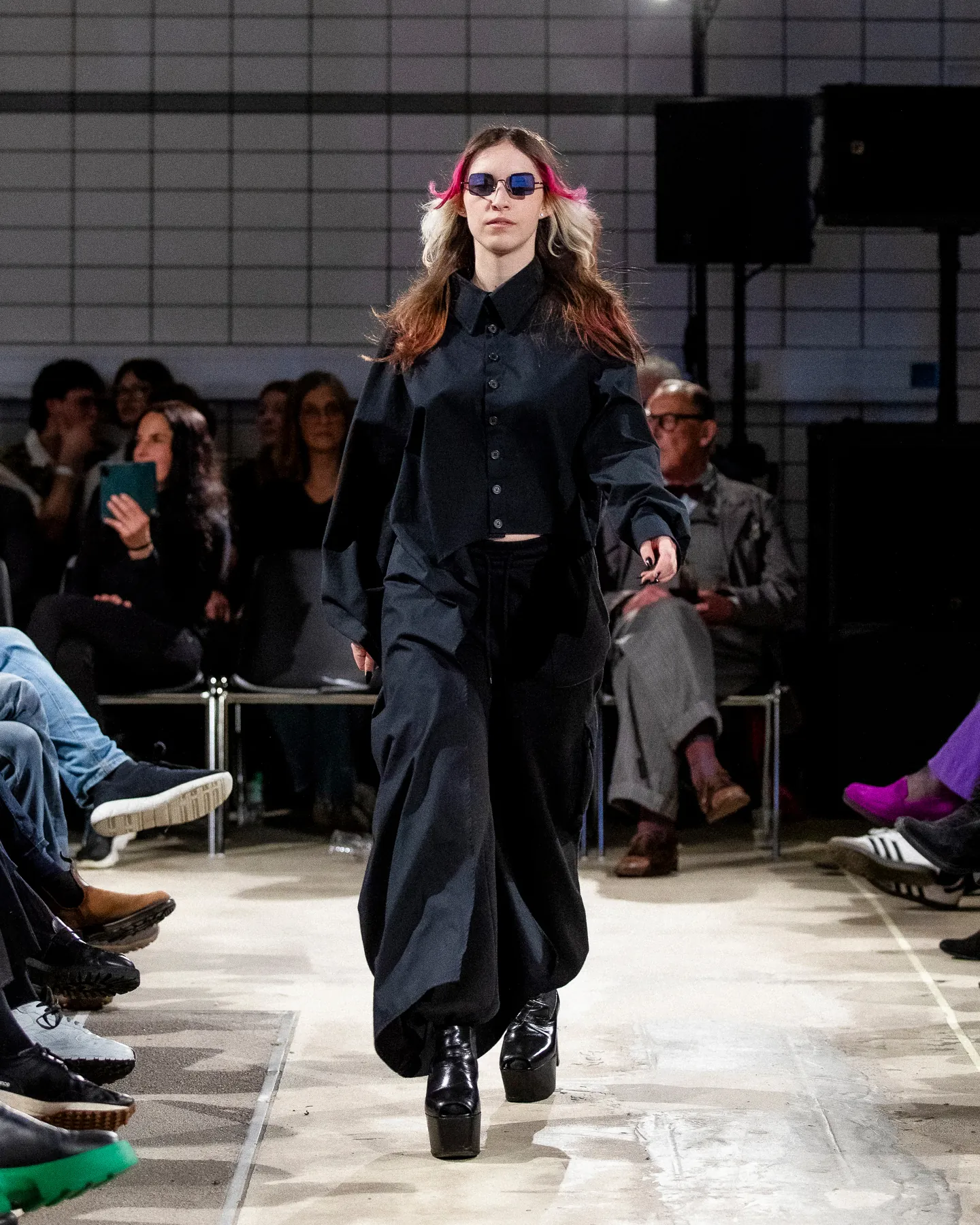
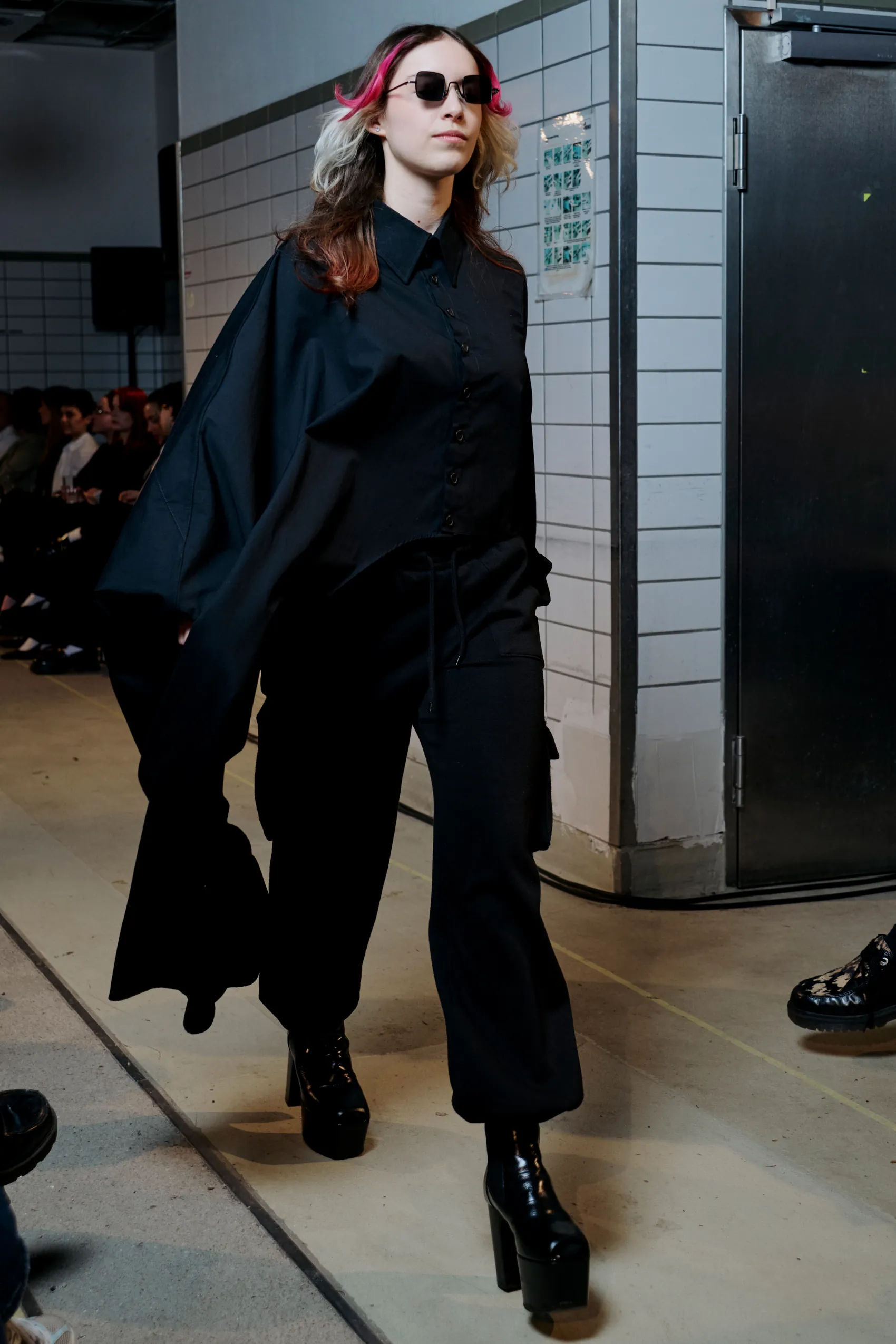
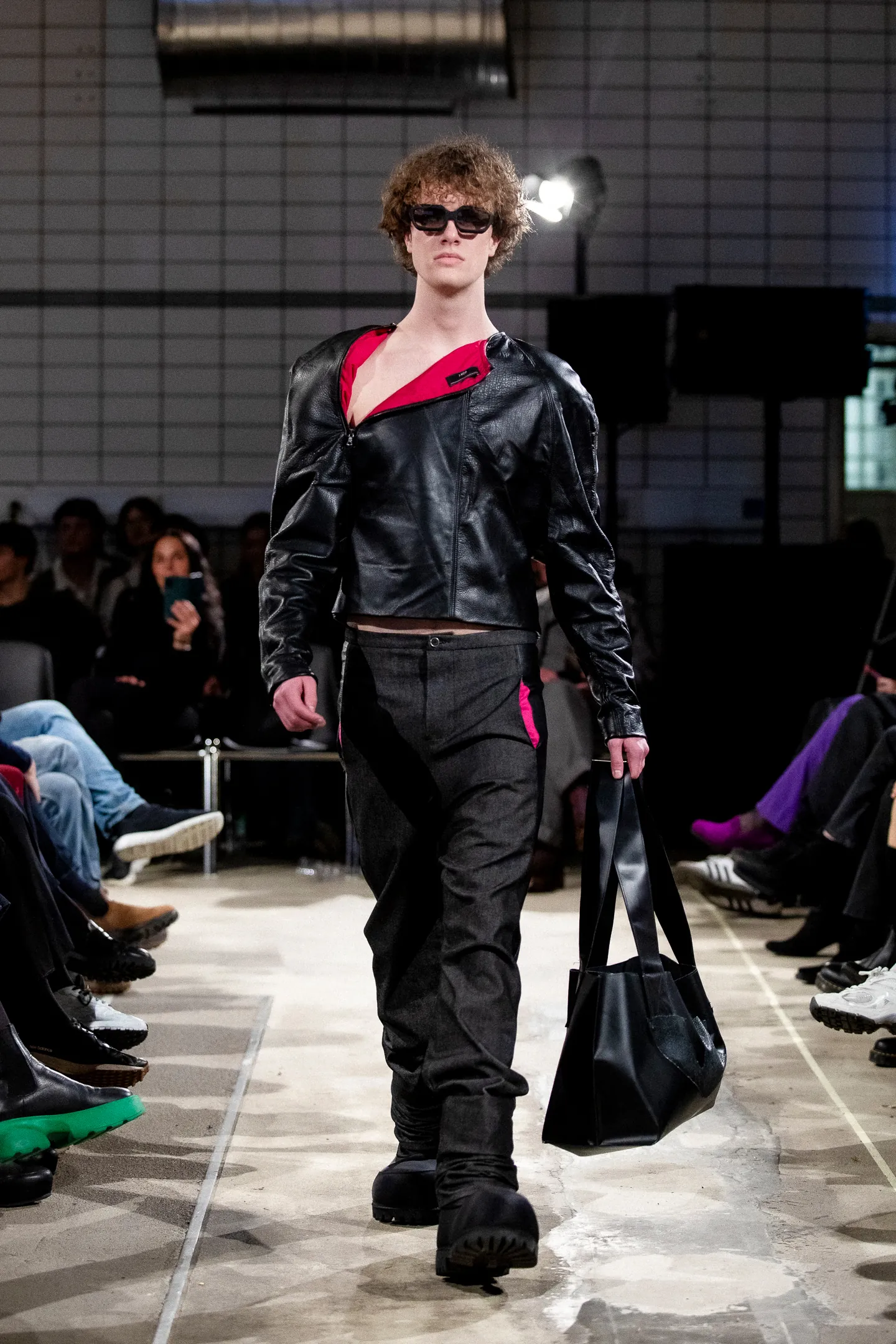
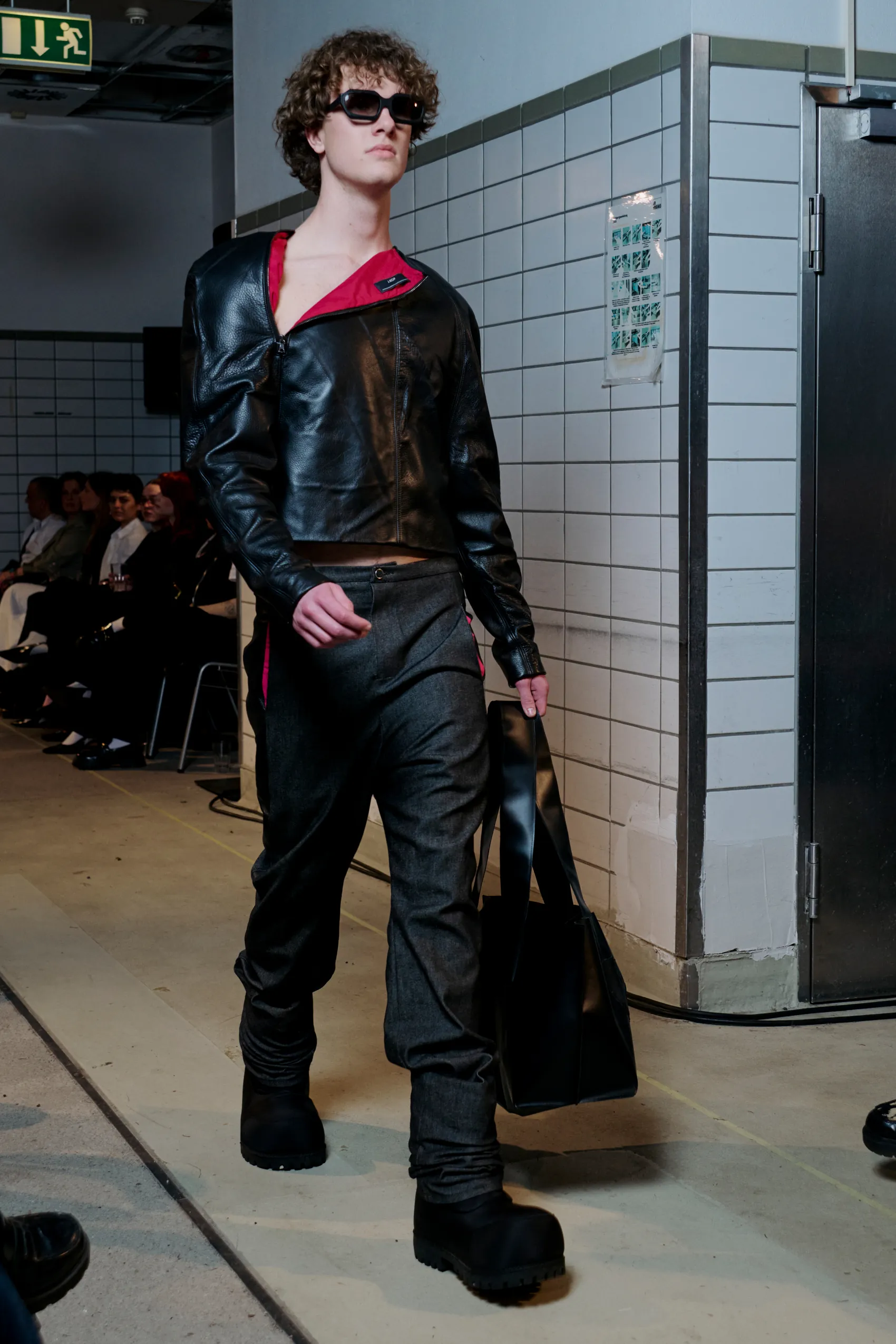
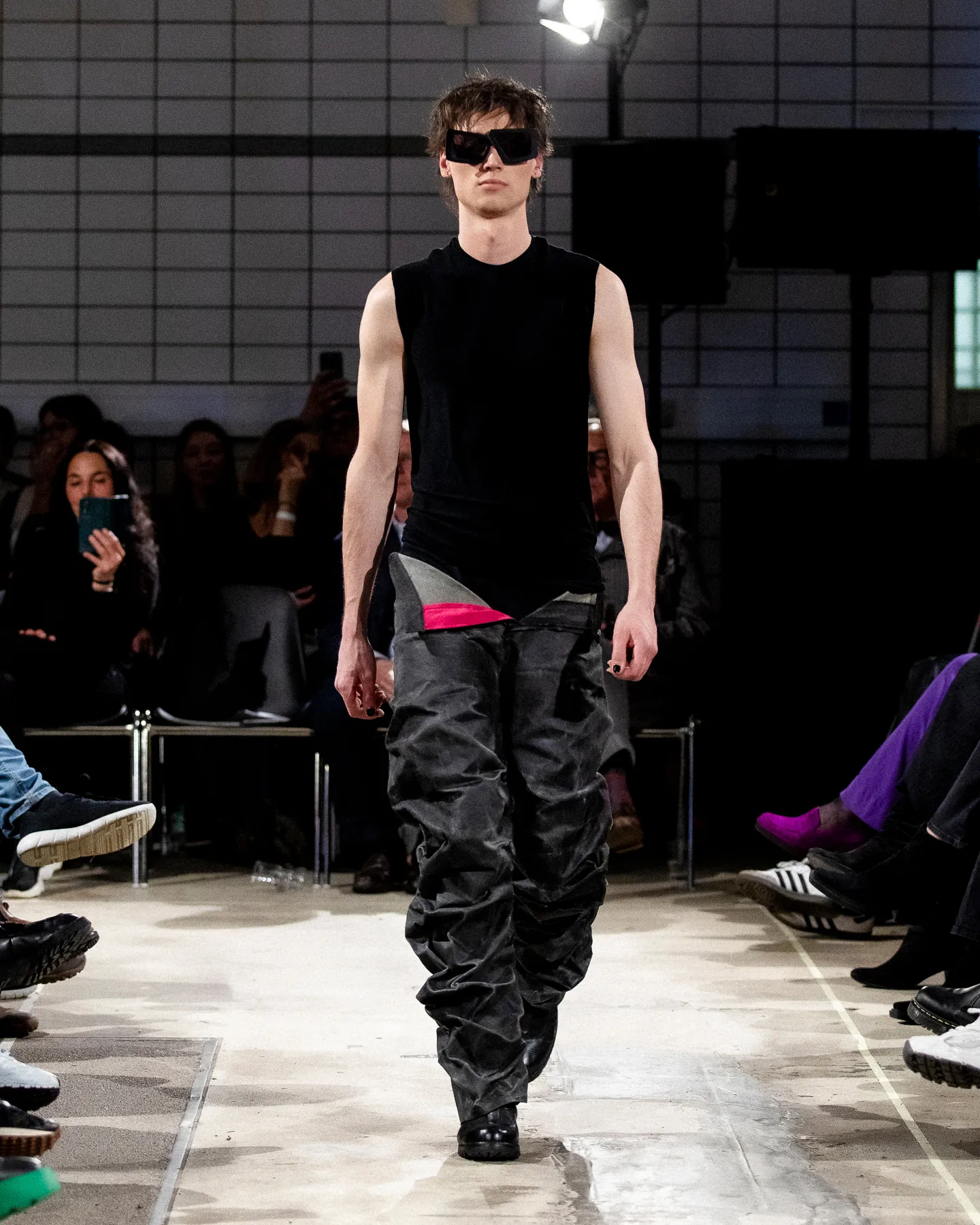
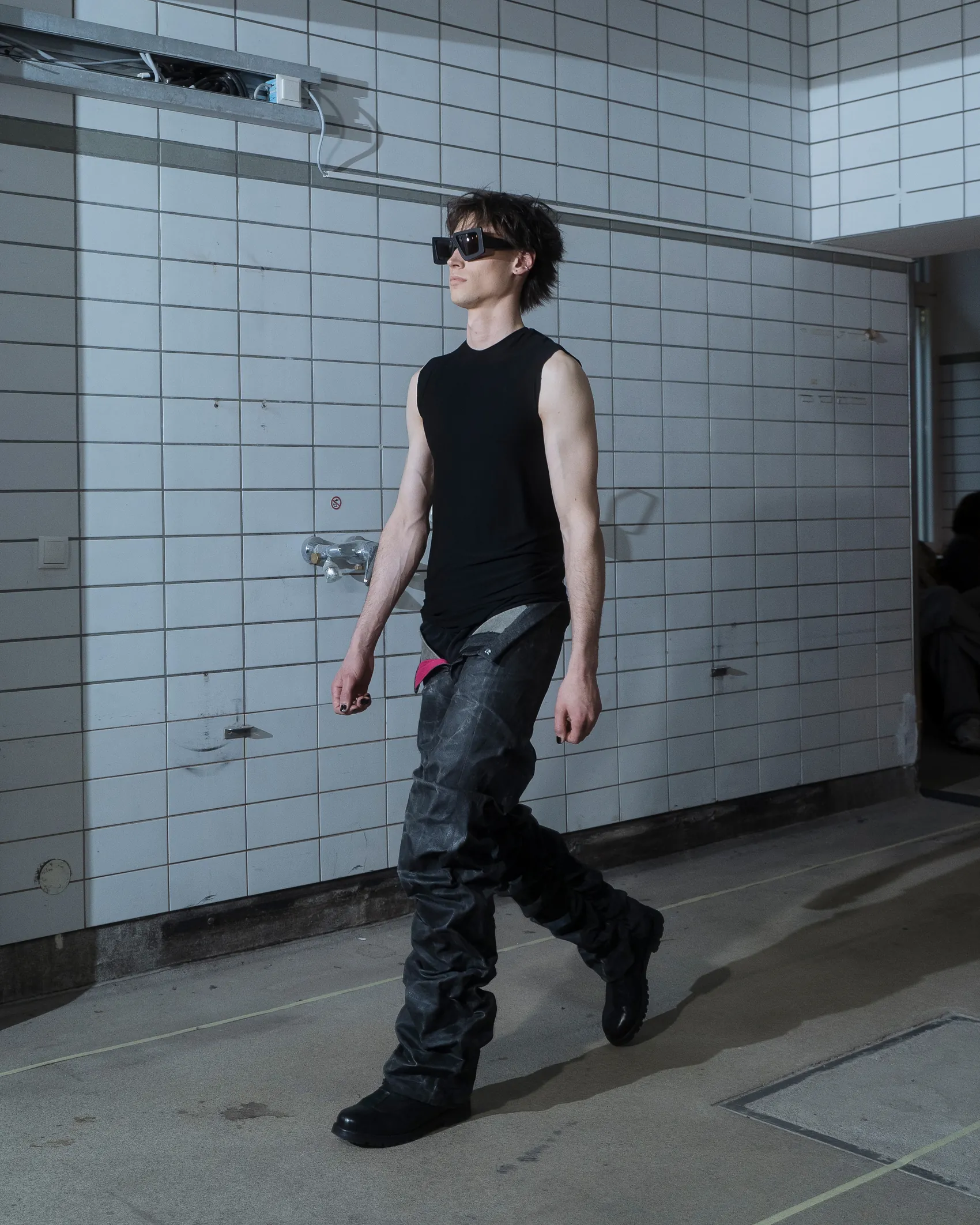
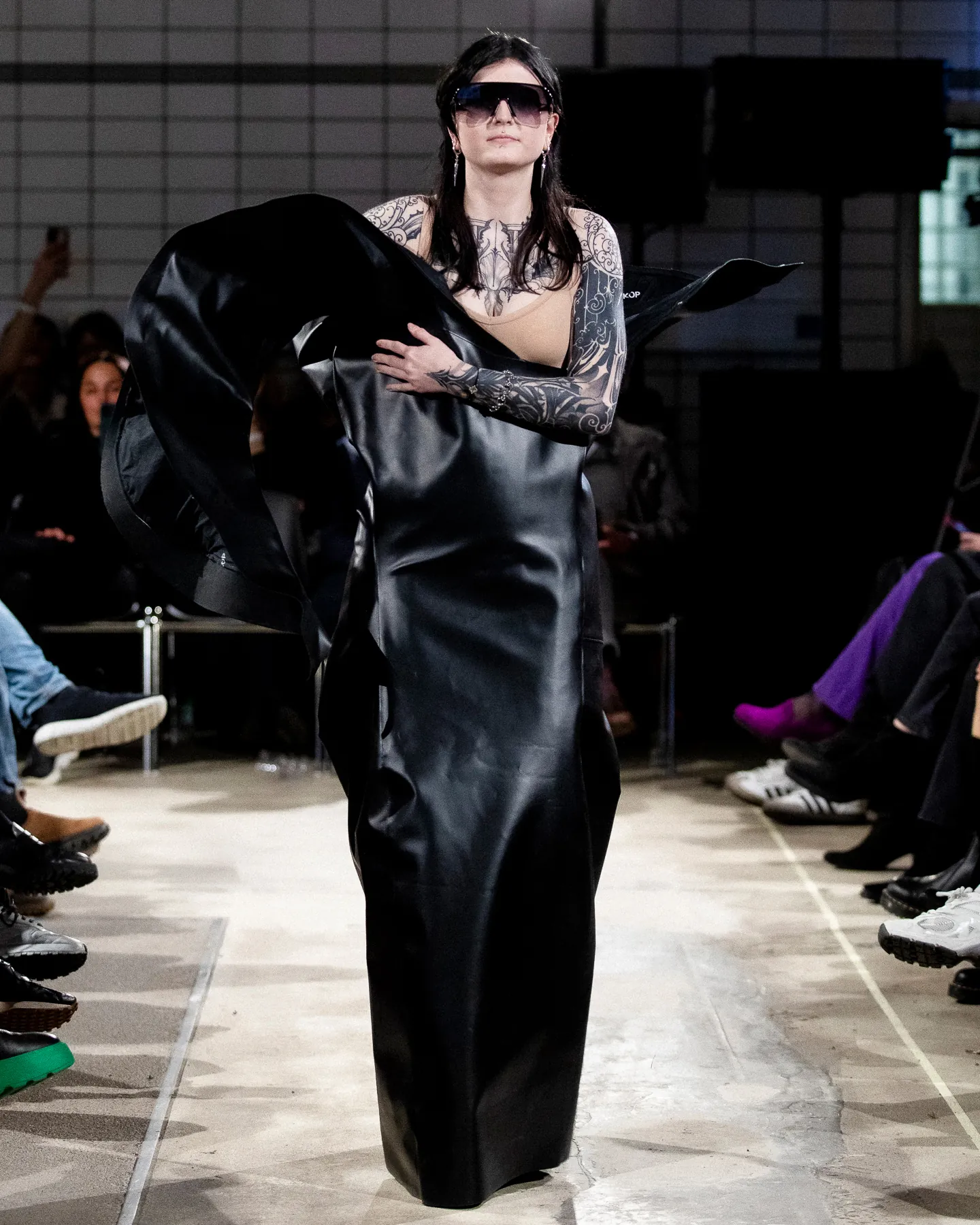
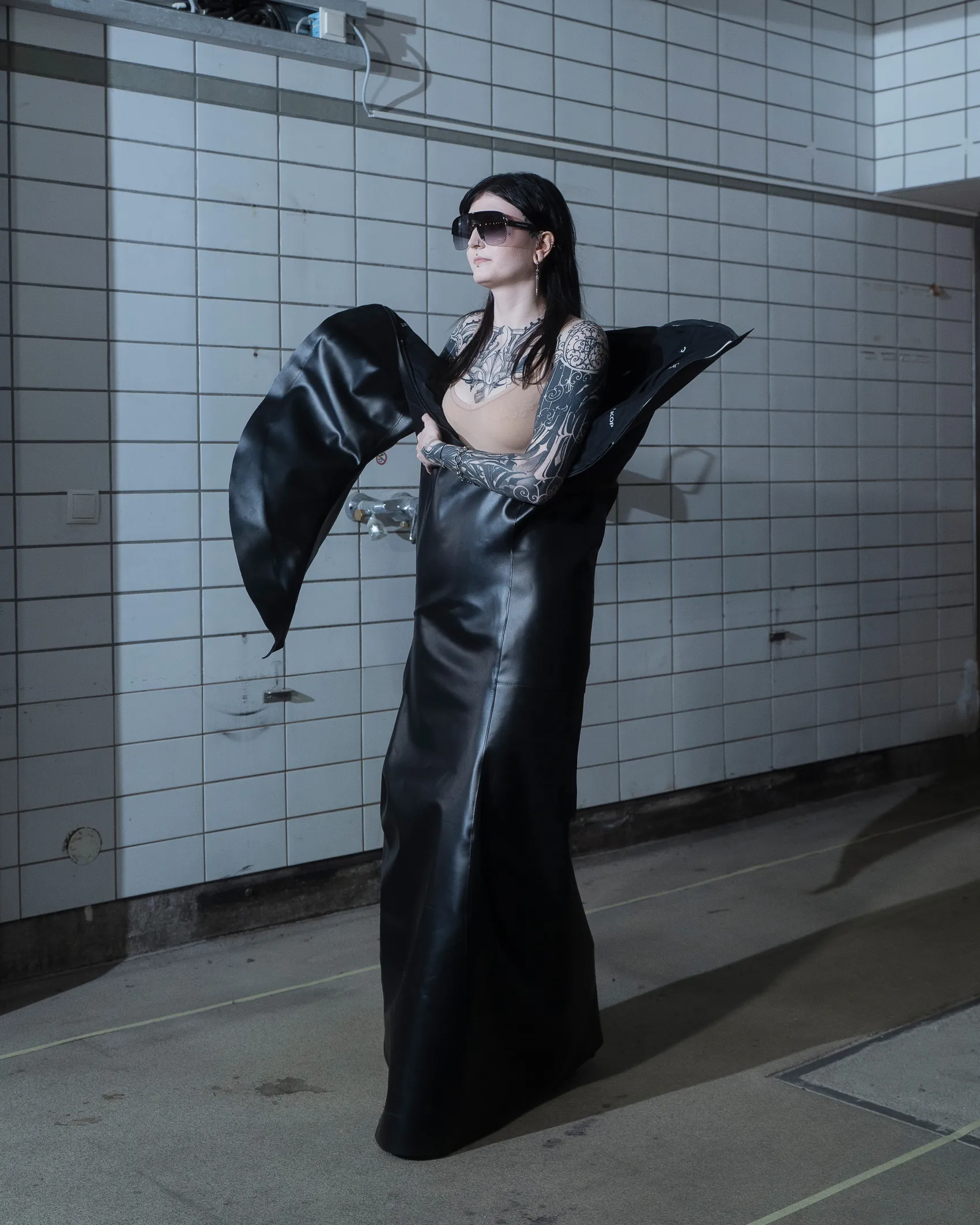
Intro Fashion Show was the final fashion show of KMD Herbststraße, held at the historic Otto Wagner Areal in Vienna’s Küchenpavillon.

The entire show was organised and produced by the graduating students, with Janosch Kopeinig taking on a supporting leadership role throughout the planning and execution of the event. His responsibilities included contributing to the overall concept, coordinating organisational processes and working together with the other students to bring the show from its initial planning stages to the final presentation.

For the show, Janosch Kopeinig presented his capsule collection “Brute.” The collection explores the relationship between the garment and its wearer, focusing on the idea of clothing as something that can influence and restrict the body rather than simply accommodate it.

The garments were designed to deliberately limit the wearer’s physical comfort and freedom of movement to a certain degree. Through restrictive silhouettes, construction and details, Brute questions the conventional expectation that clothing should primarily provide comfort and ease. Instead, the collection examines discomfort as a deliberate design element and as a way of changing the relationship between the body and the garment.

Photos: Pascal Schrattenecker
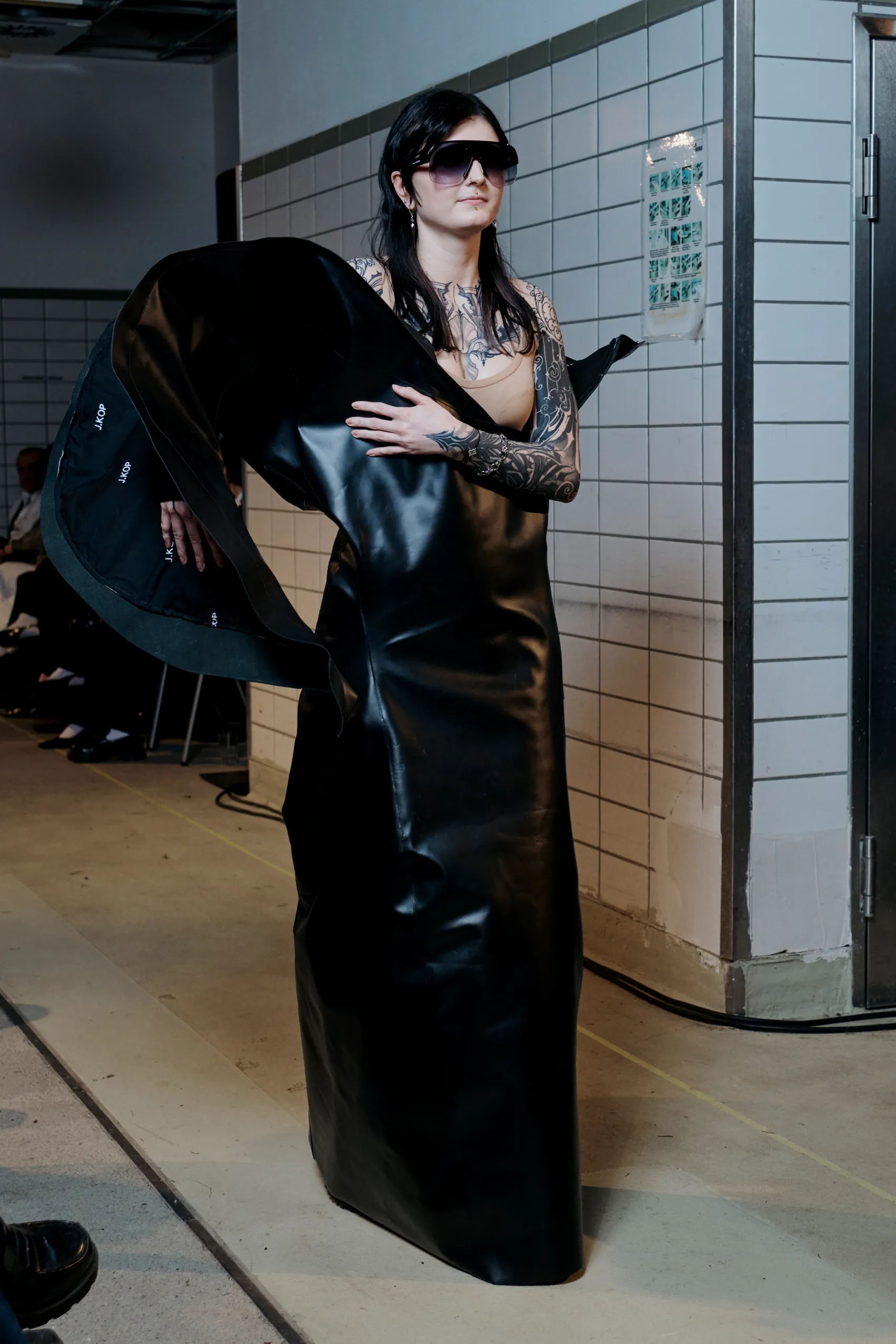
Towering Y Dress on the runway, the leather Y arms spread wide, white tiled walls Towering Y Dress on the runway, the Y arm swept to one side A look in black with wide trousers and a long coat on the runway The Extended Shirt on the runway, the long panel held to the side
The Battle Jacket open over the pink lining, with waxed trousers and a leather bag The Battle Jacket and the Stingray Bag on the runway The Signature Y Top with the Xtra Waxed Denim and a pink waistband The Signature Y Top on the runway in front of white tiles Towering Y Dress walking the runway, the Y arm raised
(02)

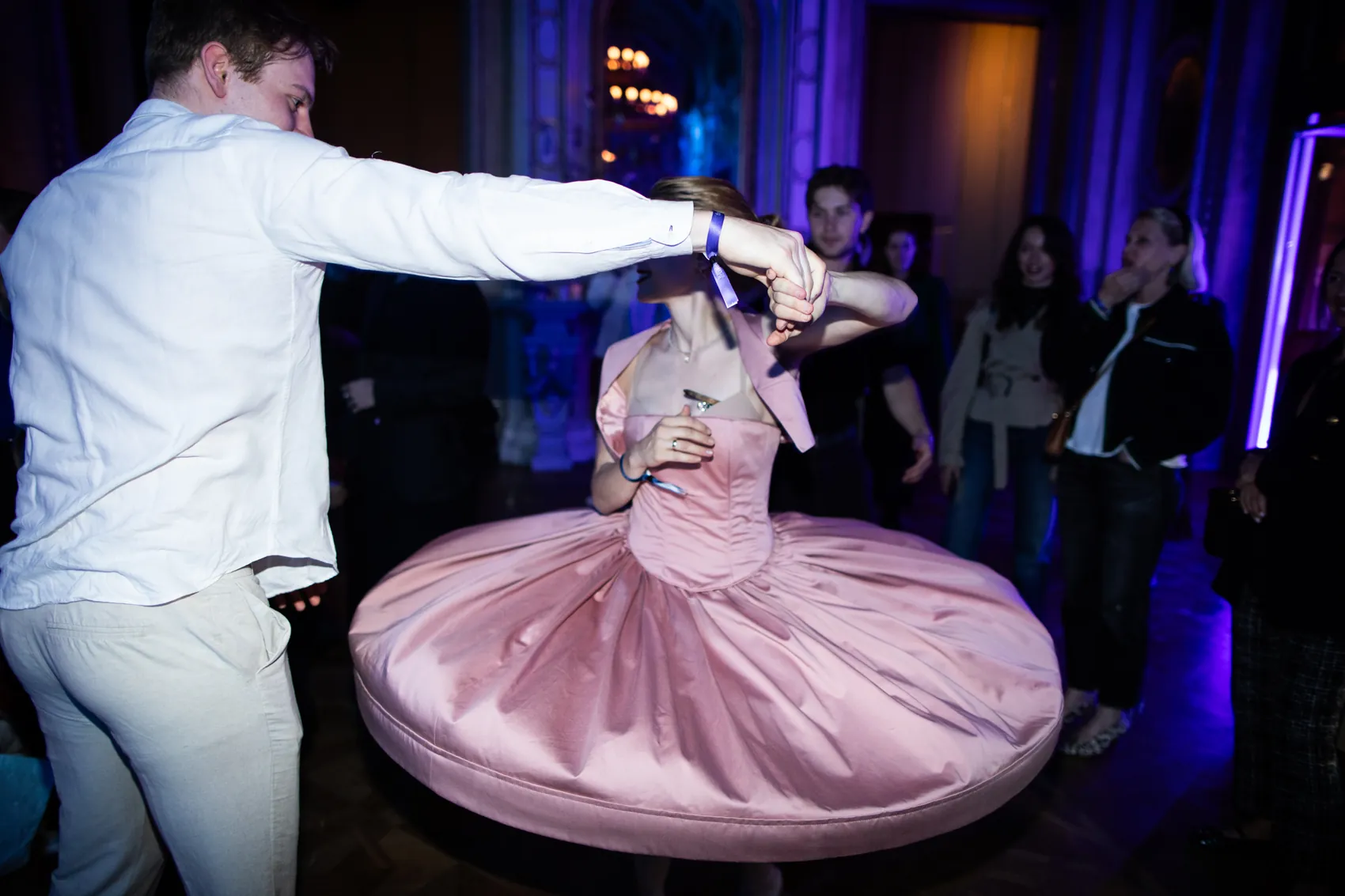
Fashion Meets Opera

Vienna

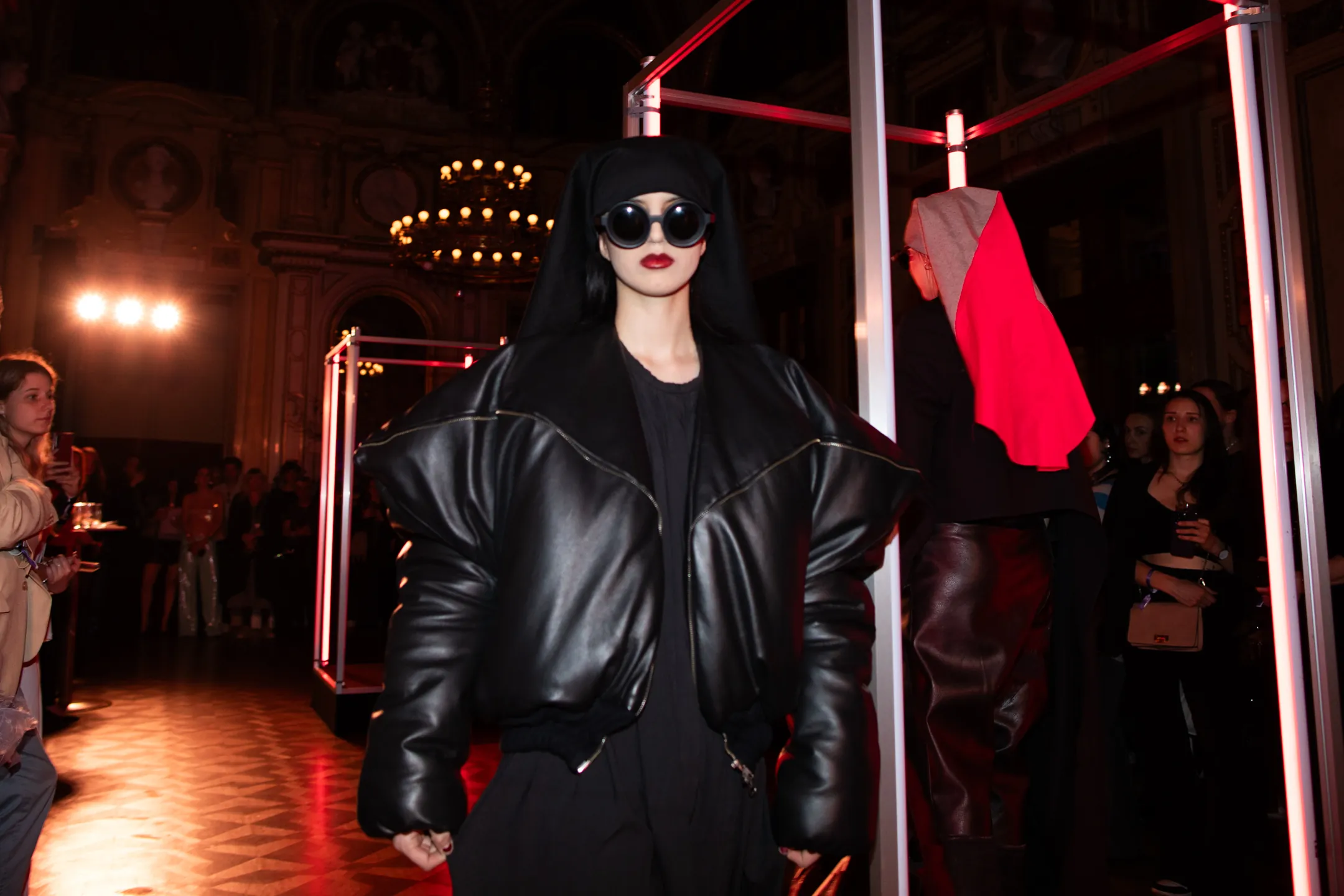
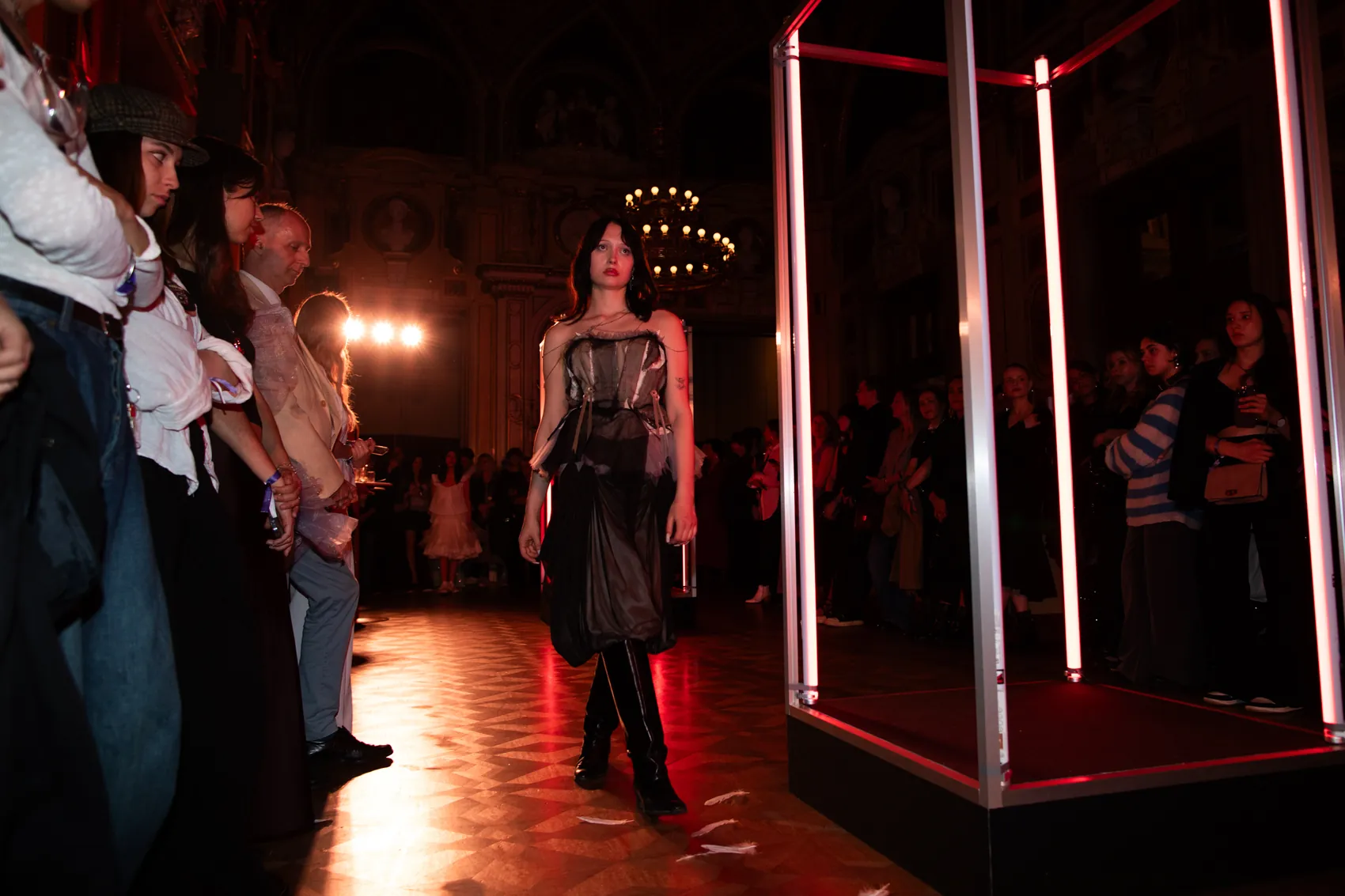
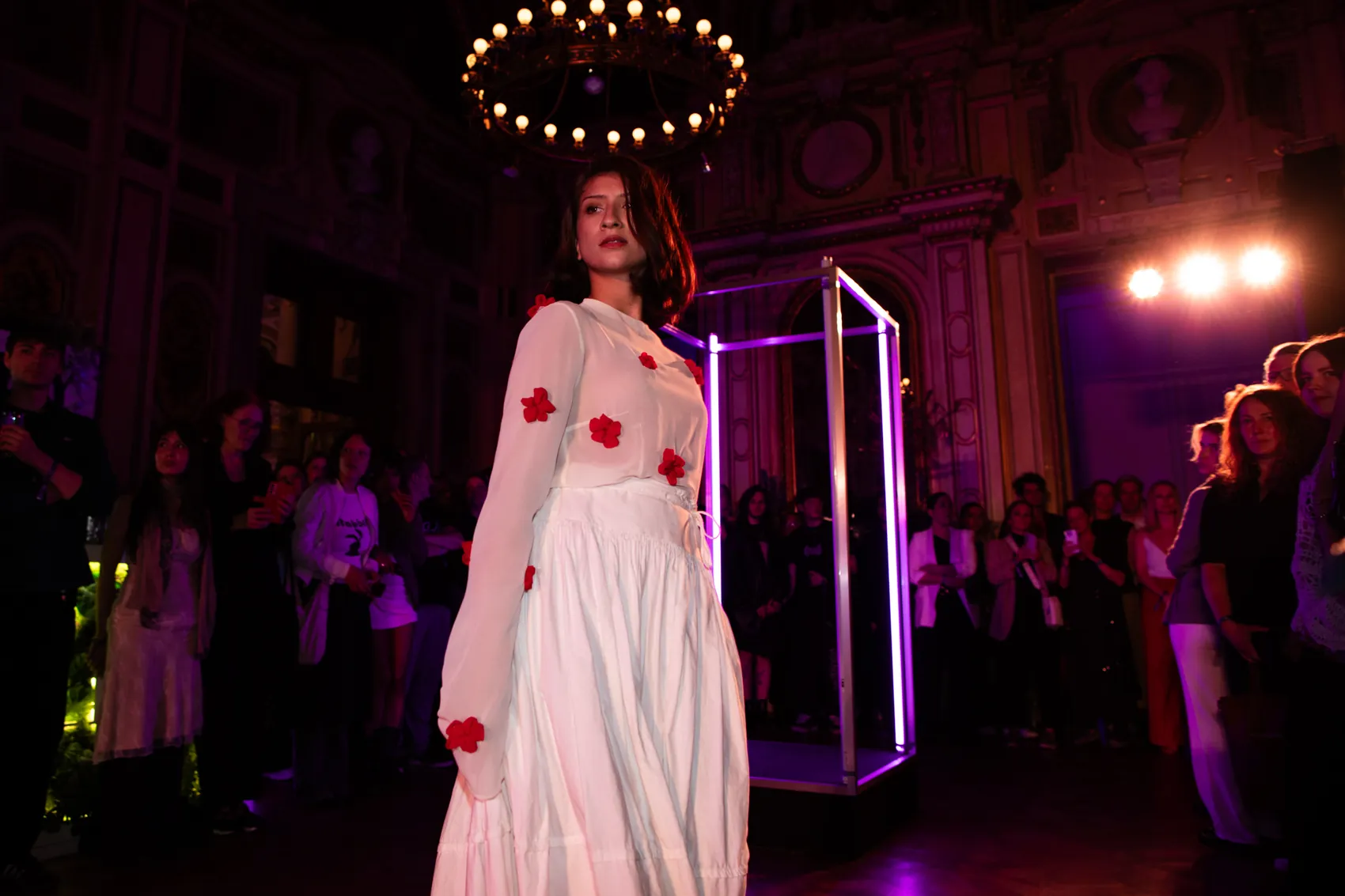
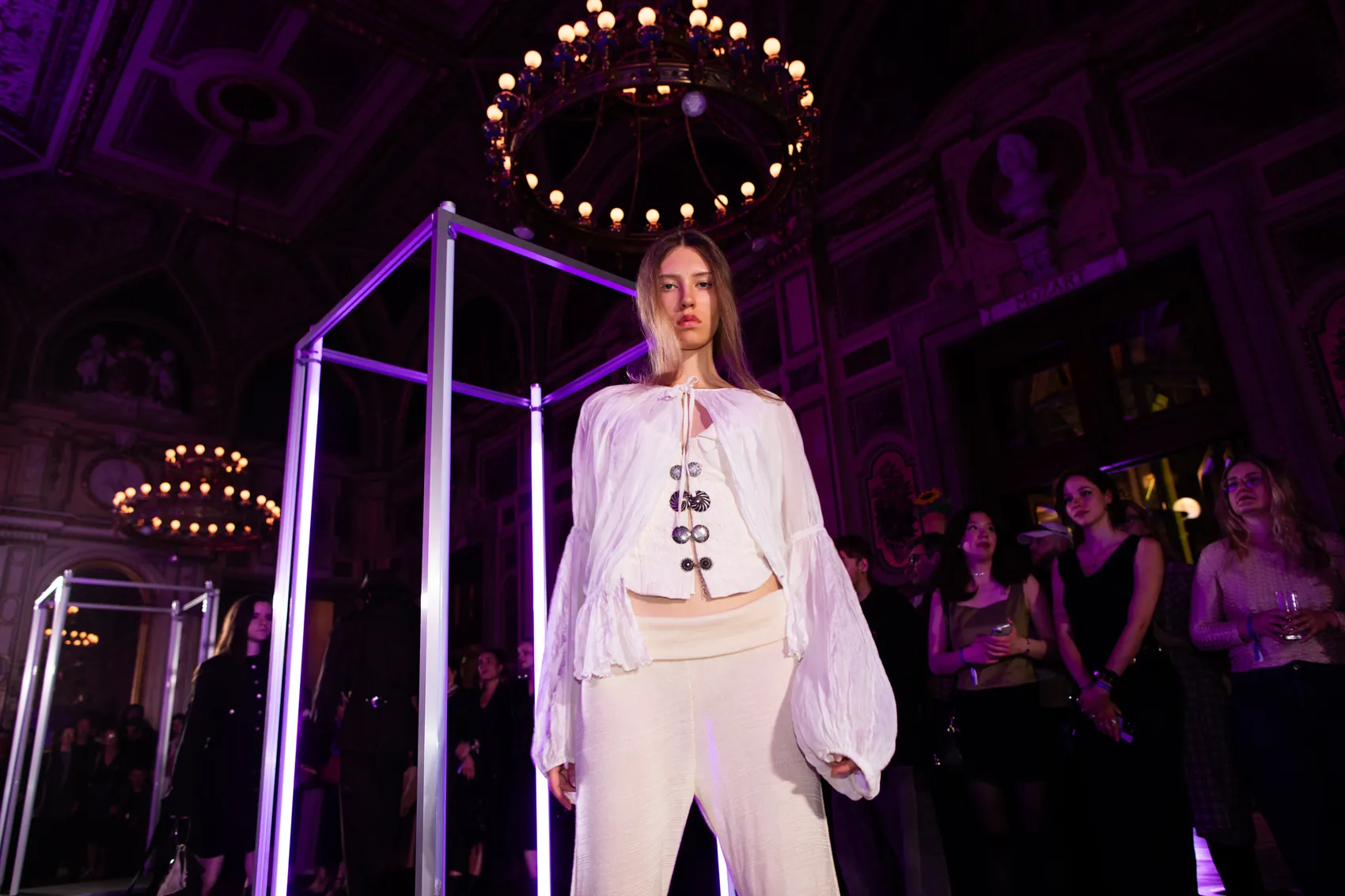
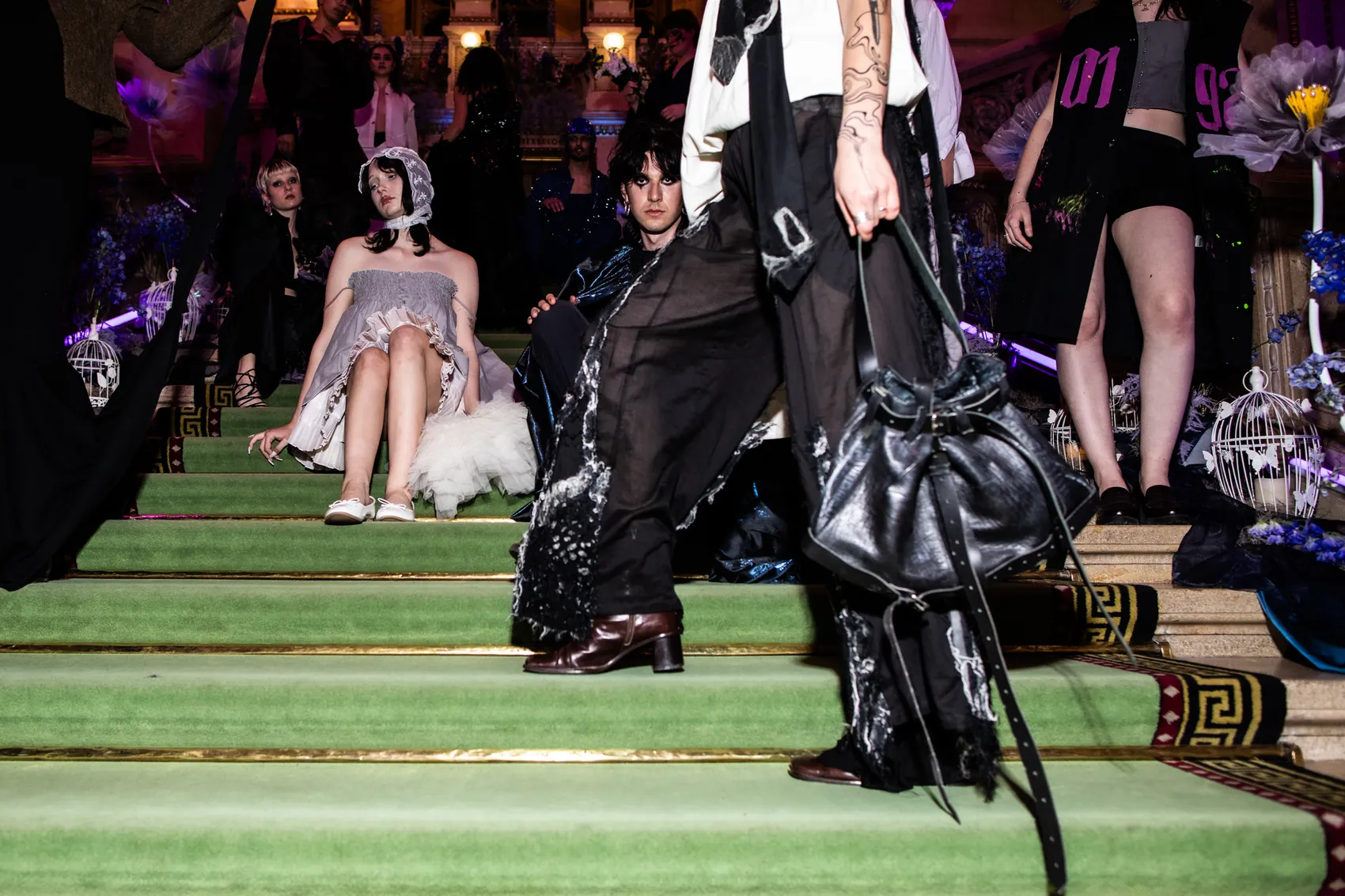
Fashion Meets Opera originated as a collaboration between KMD Herbststraße and its graduating programme. Janosch Kopeinig took over the organisation on behalf of the school, working alongside two fellow students.

Together, they were responsible for coordinating the different elements of the production, including the model cast, runway order, outfit coordination and the organisation of the overall presentation. The project required the coordination of both the creative and practical aspects of the event, bringing together the different participants into one coherent runway production.

The thematic foundation of the event was Mozart’s The Magic Flute. The opera served as the starting point for translating its atmosphere, characters and visual language into contemporary fashion.

The project connected two different forms of artistic expression, fashion and opera, and explored how elements of a classical stage work could be reinterpreted through clothing, movement and a contemporary runway presentation.

Photos: VLADSTEFANN

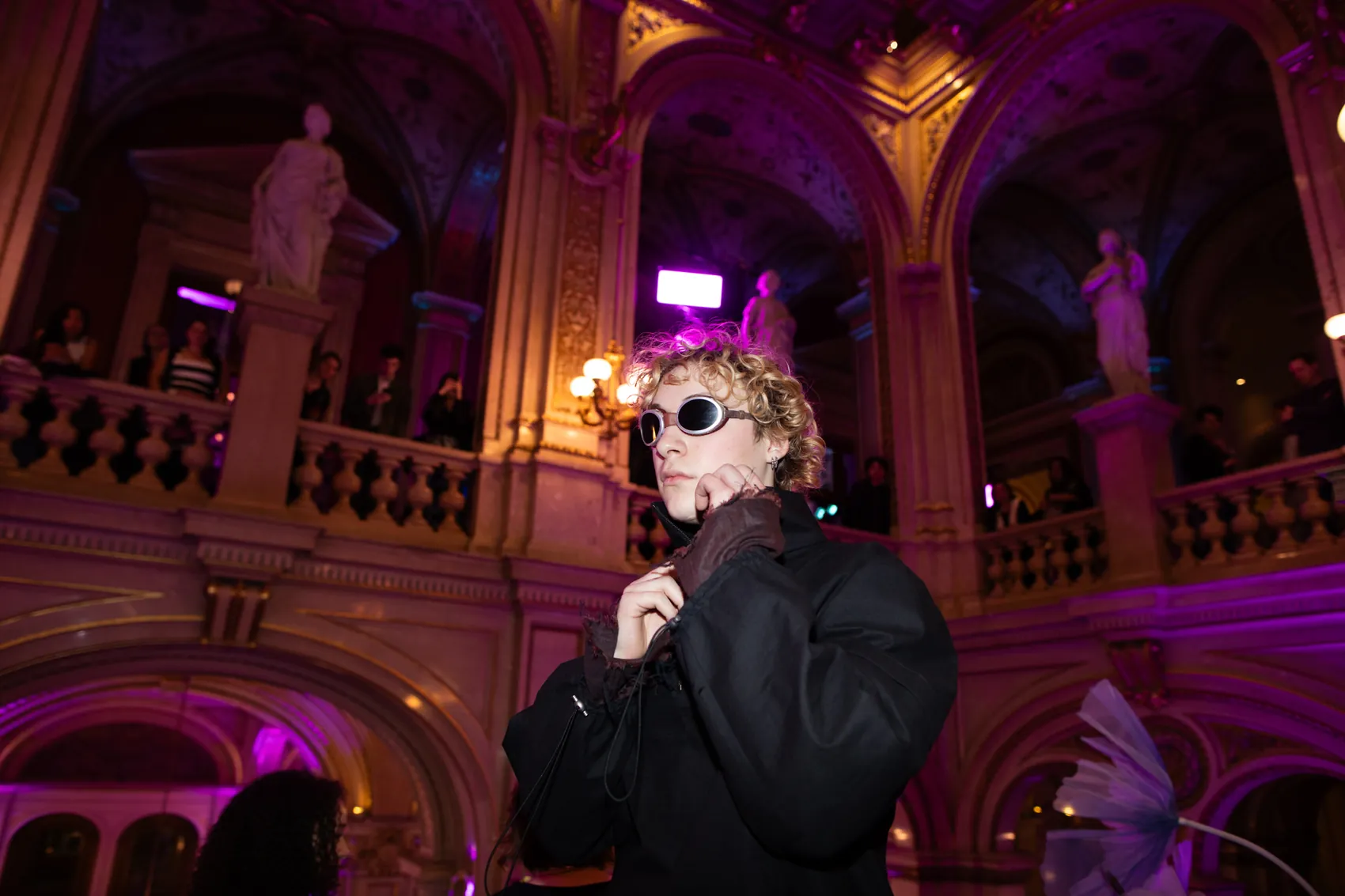
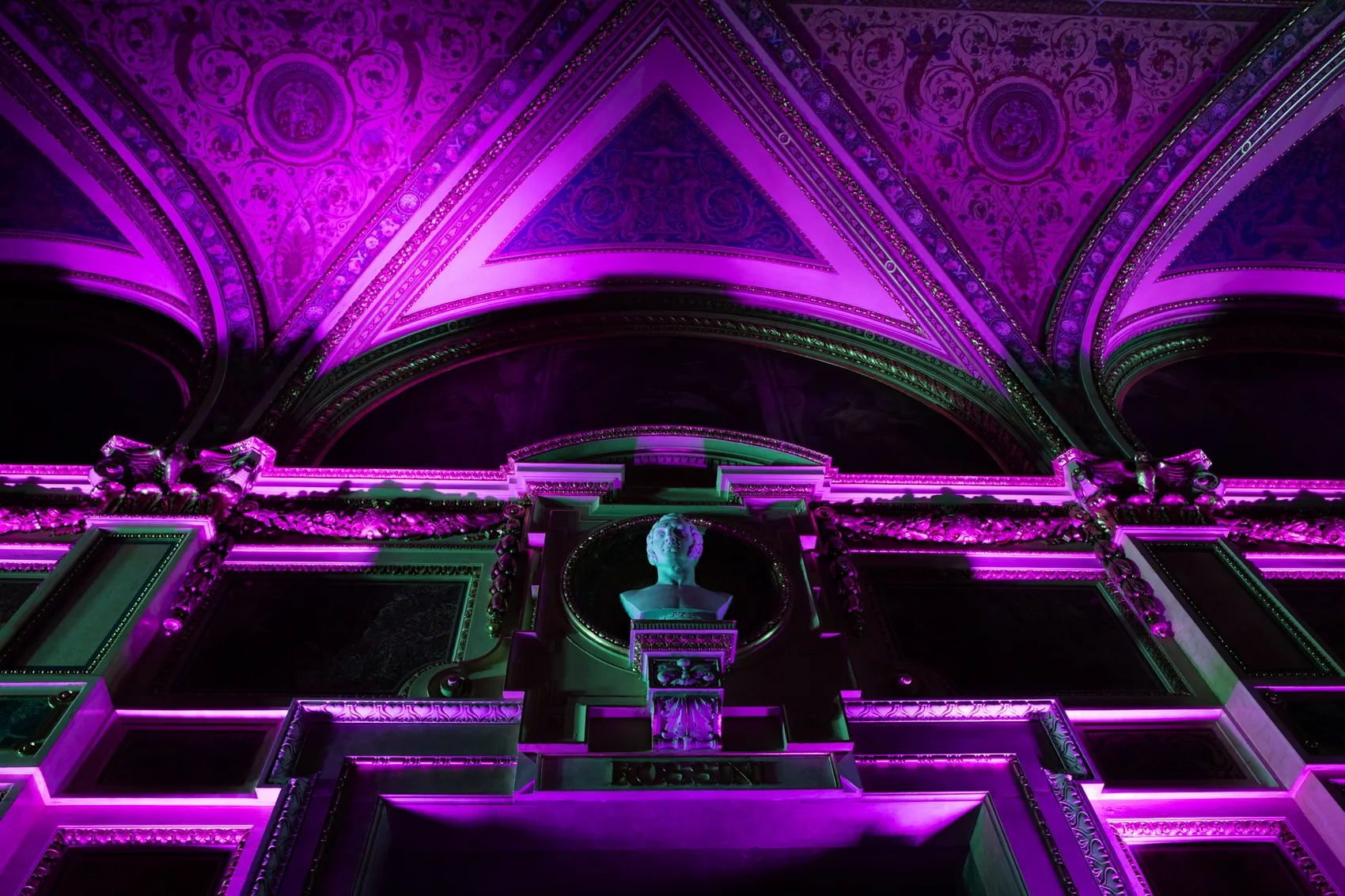
A model in the black padded leather Player Jacket, round sunglasses and red lipstick, on the runway in red light A guest in sunglasses and a black leather jacket on the opera staircase The opera hall lit in purple before the show
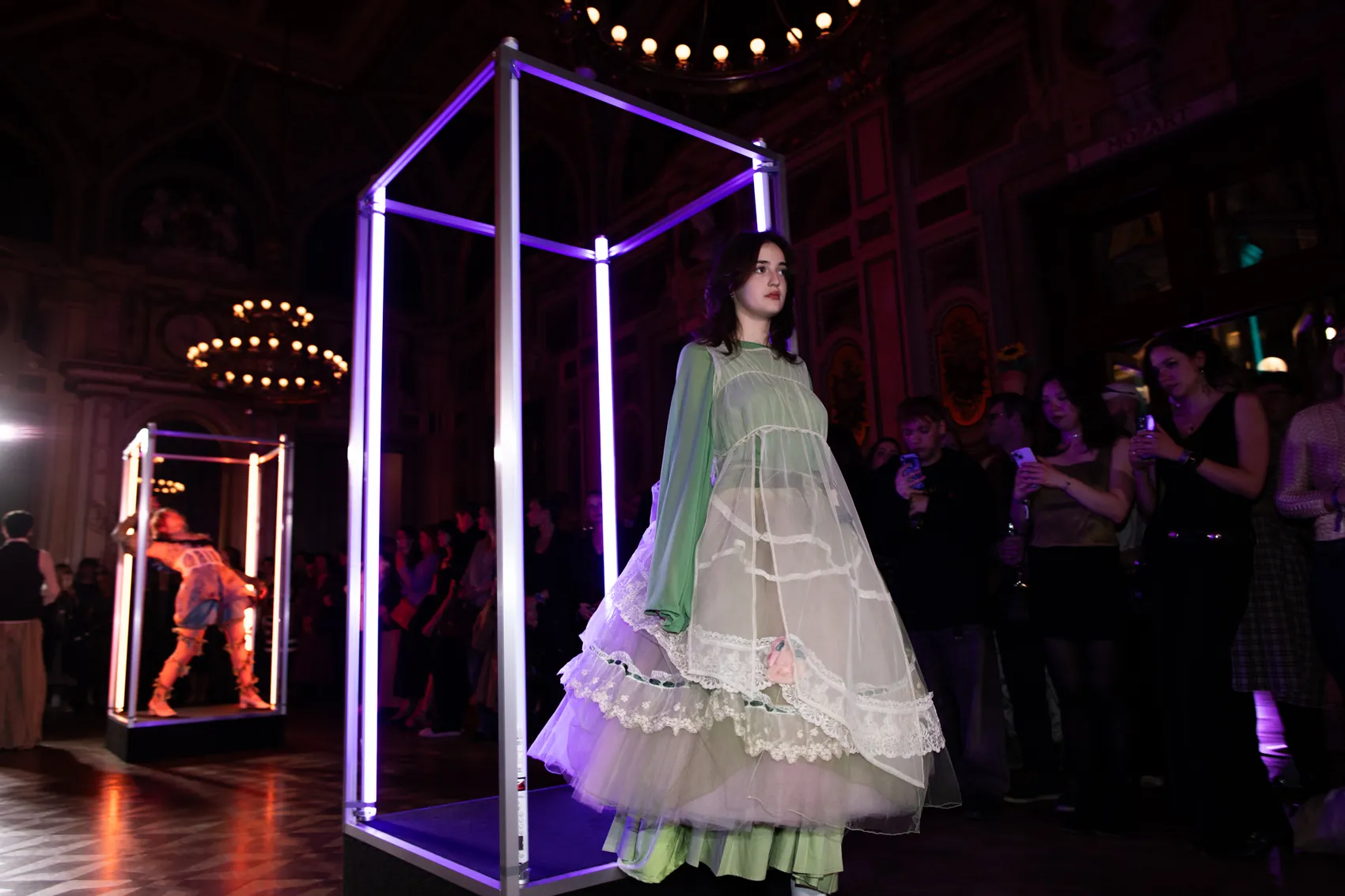
A model in a pale green layered dress in front of a lit glass frame A model in black on the runway between glass frames A model in a white dress with red details under the chandelier
A model in a white blouse and trousers beside a glass frame Models in black descending the green carpeted opera stairs A voluminous pink dress spread out on the floor of the hall
(03)

Kunstschatzi

Kunsthistorisches Museum Vienna

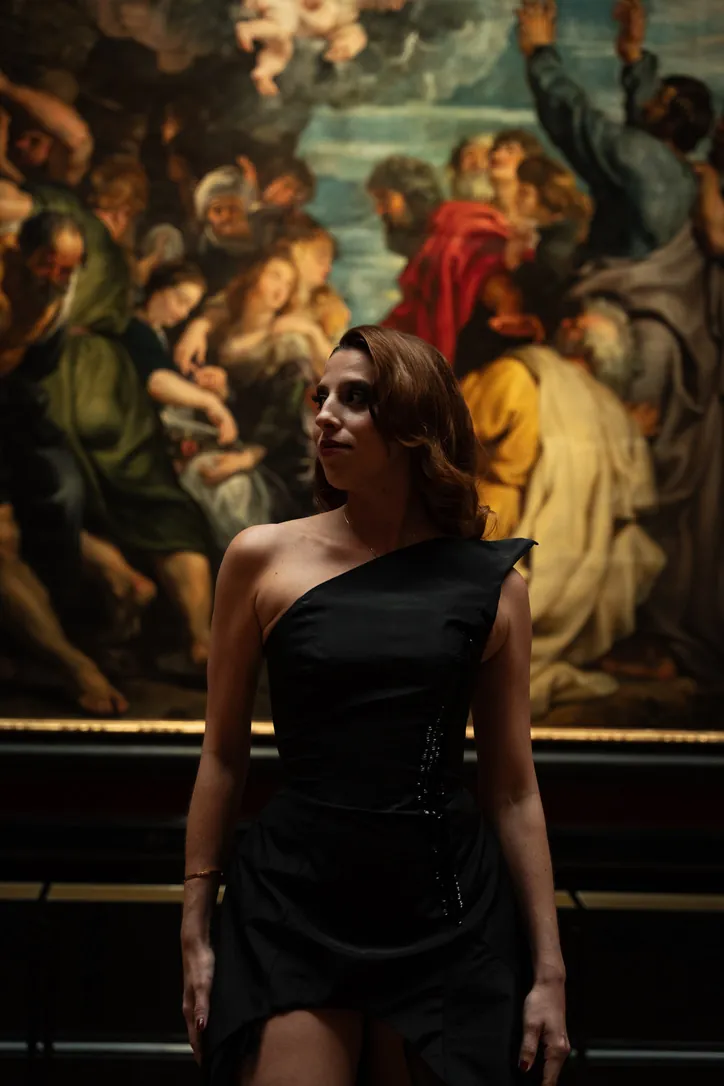
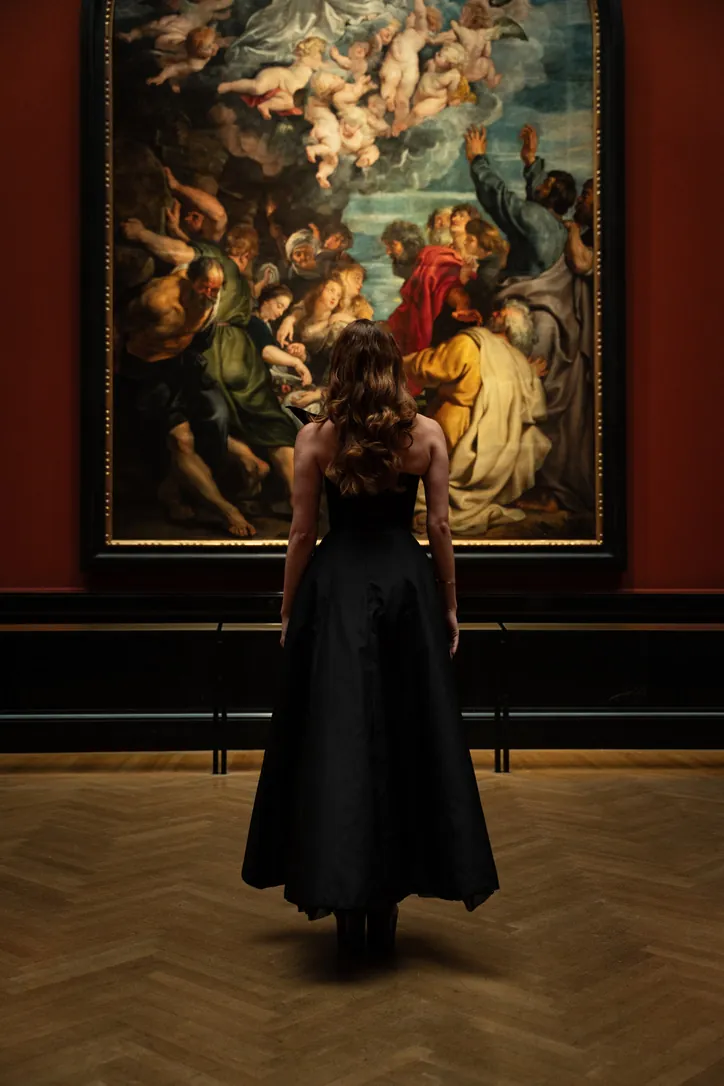
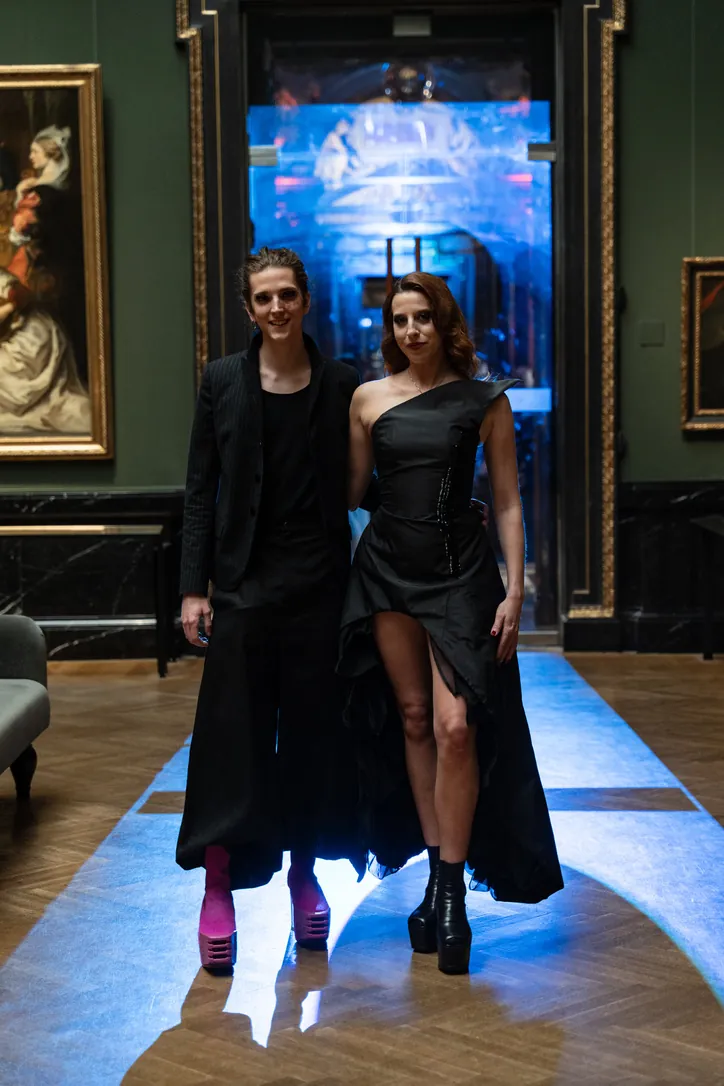
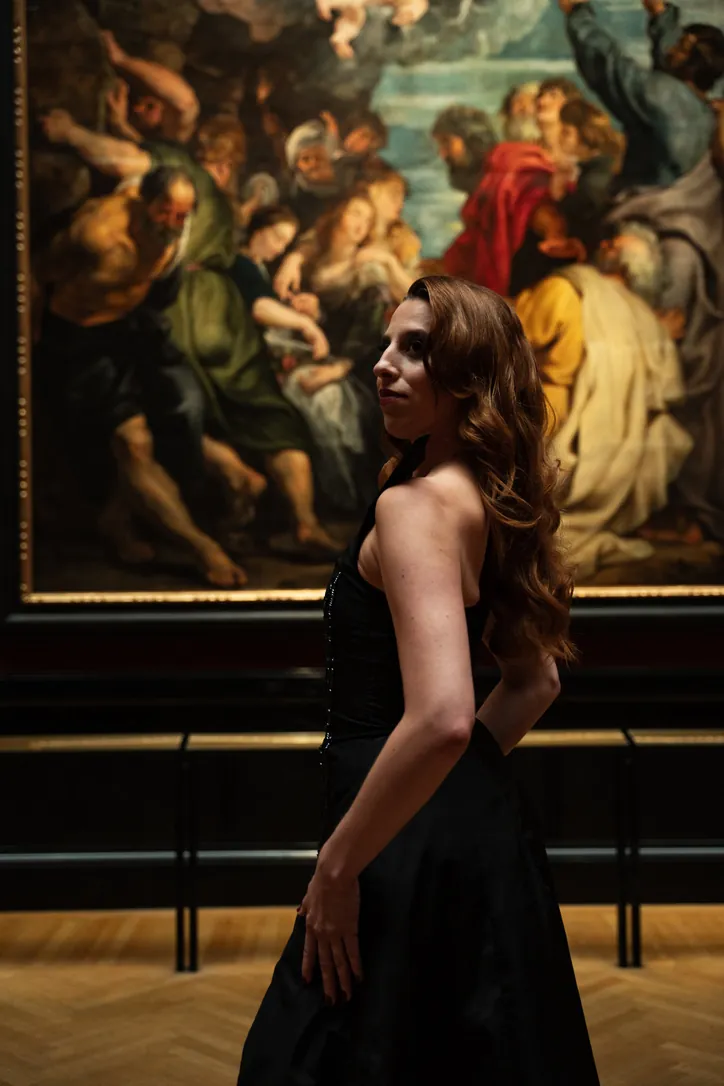
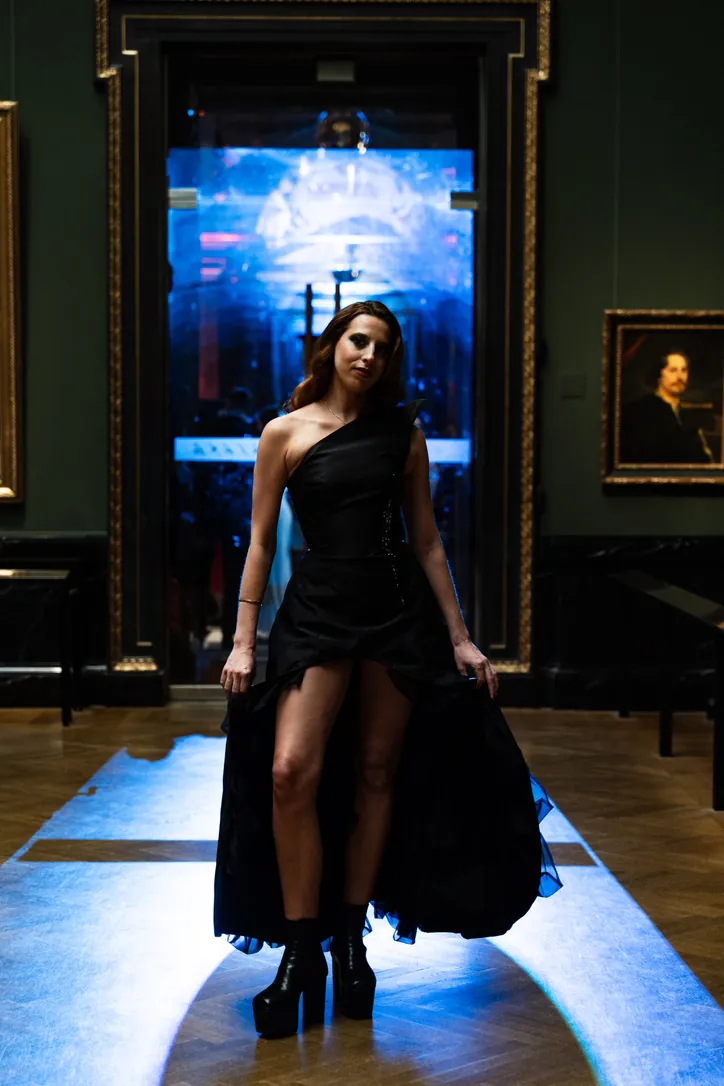
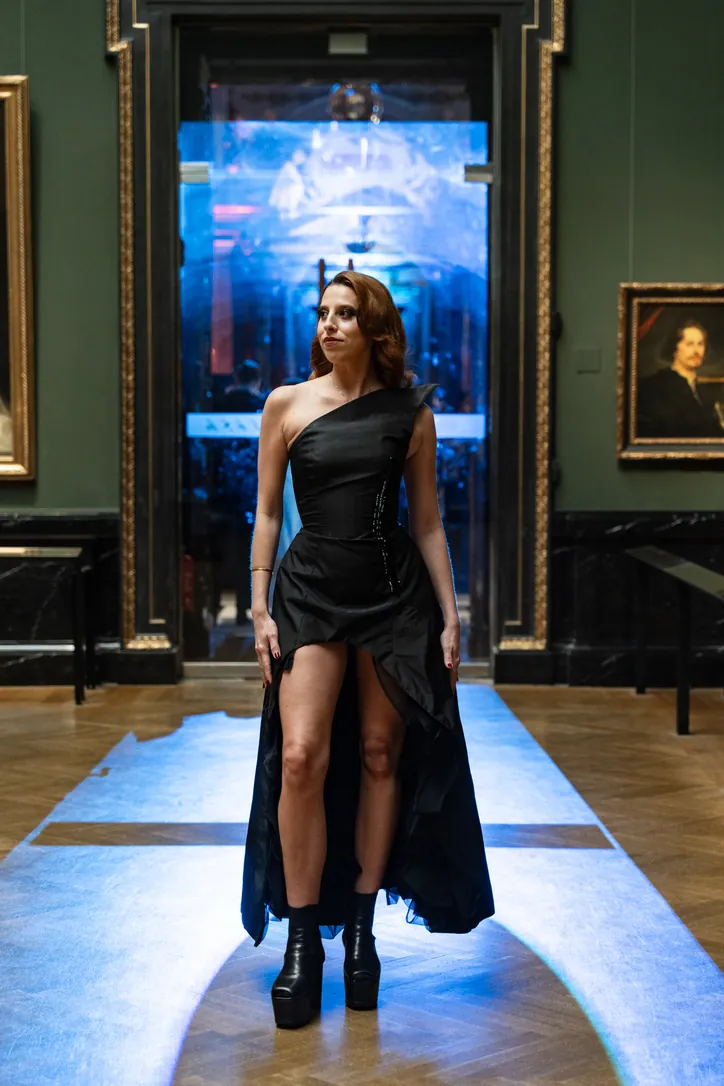
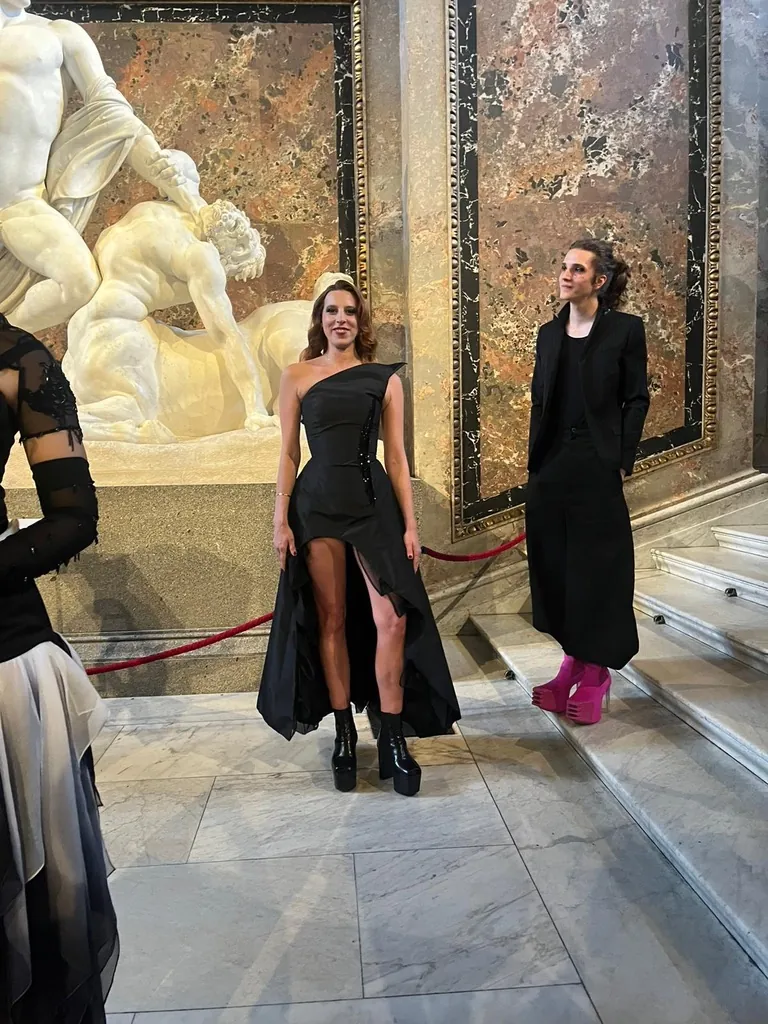
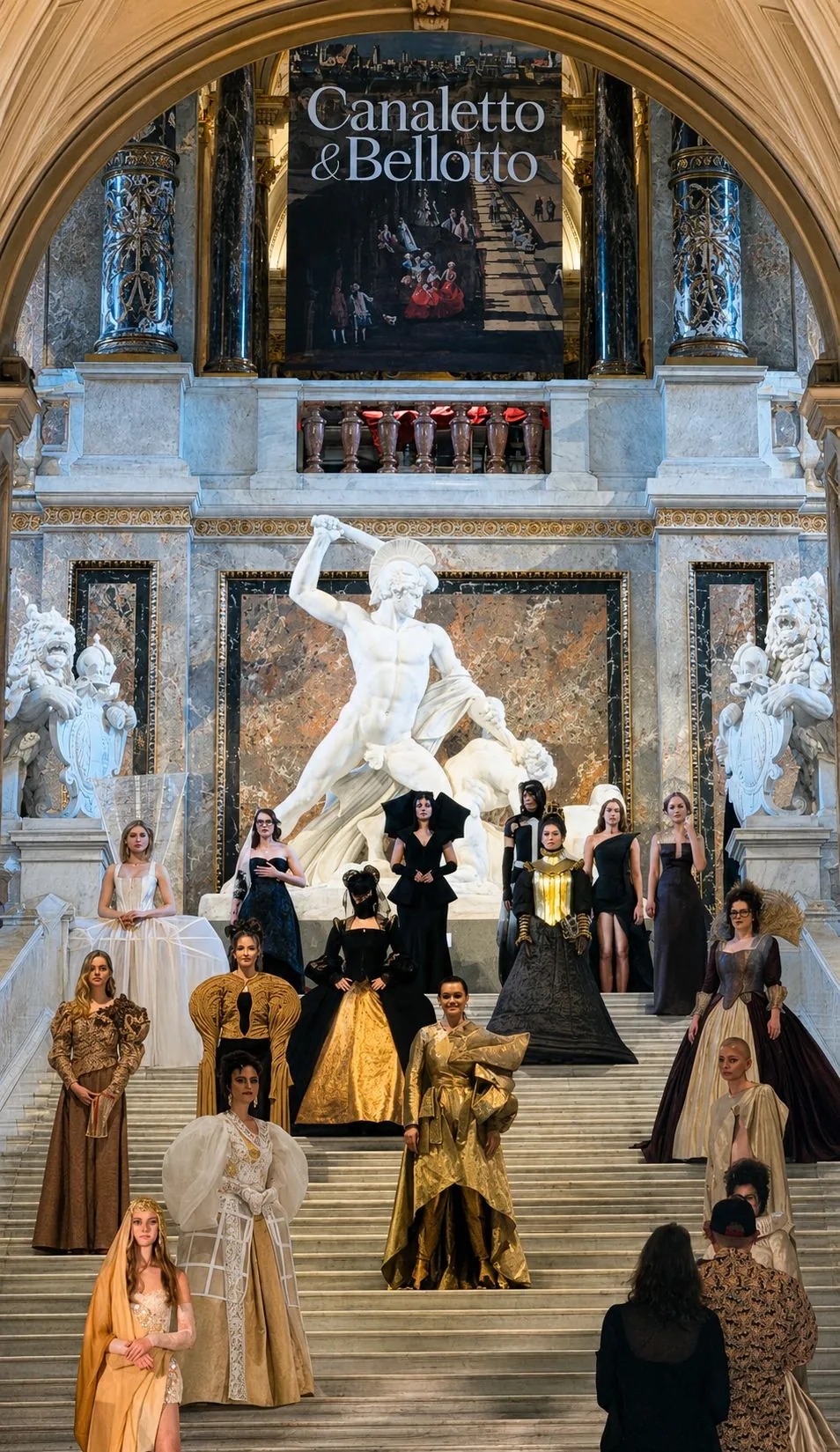
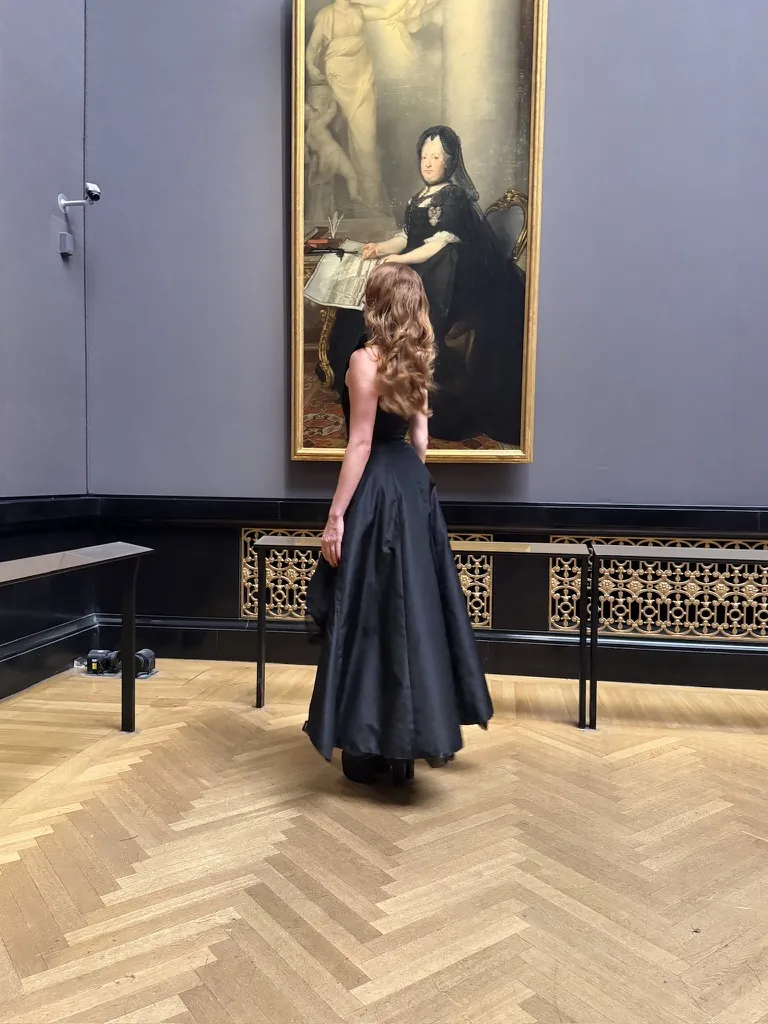
Kunstschatzi was created in collaboration with KMD Herbststraße as part of the Women’s Tailoring Master Class in Haute Couture. The project was developed in cooperation with the Kunsthistorisches Museum Vienna.

The collaboration centred around the theme “Kopf und Kragen” and was developed in response to the museum’s collection and a special exhibition featuring historical coins and medallions. These objects became the main source of inspiration for the design process, particularly their imagery, symbolism, proportions and sculptural qualities.

The project offered an opportunity to approach fashion through the perspective of art and cultural history, translating historical objects and references into a contemporary garment. Rather than directly reproducing the visual language of the original pieces, the design interprets their characteristics through silhouette, construction and material.

The resulting garment became the first couture dress created under J.Kop. It marked an important step in the development of the design practice and established a connection between its approach to fashion, traditional craftsmanship and historical references.

Photos: Julian Schmelzinger

A model in a black asymmetric couture dress in front of a baroque painting at the Kunsthistorisches Museum The couture dress from behind, facing the large baroque painting Two models in black on a lit runway in the museum gallery The dress in profile in front of the painting
The couture dress on the lit runway, the skirt open at the front The dress on the runway between the museum's paintings Two models beside a marble sculpture on the museum stairs The museum staircase with the Theseus sculpture and models in historical costume The dress in a museum gallery with a grey wall and a portrait
(04)

Kunst Sommer Viktring

BRG Viktring, Austria

Kunst Sommer Viktring took place at BRG Viktring, the school Janosch Kopeinig previously attended. The project brought him back to the school in a different role, this time as an educator and mentor.

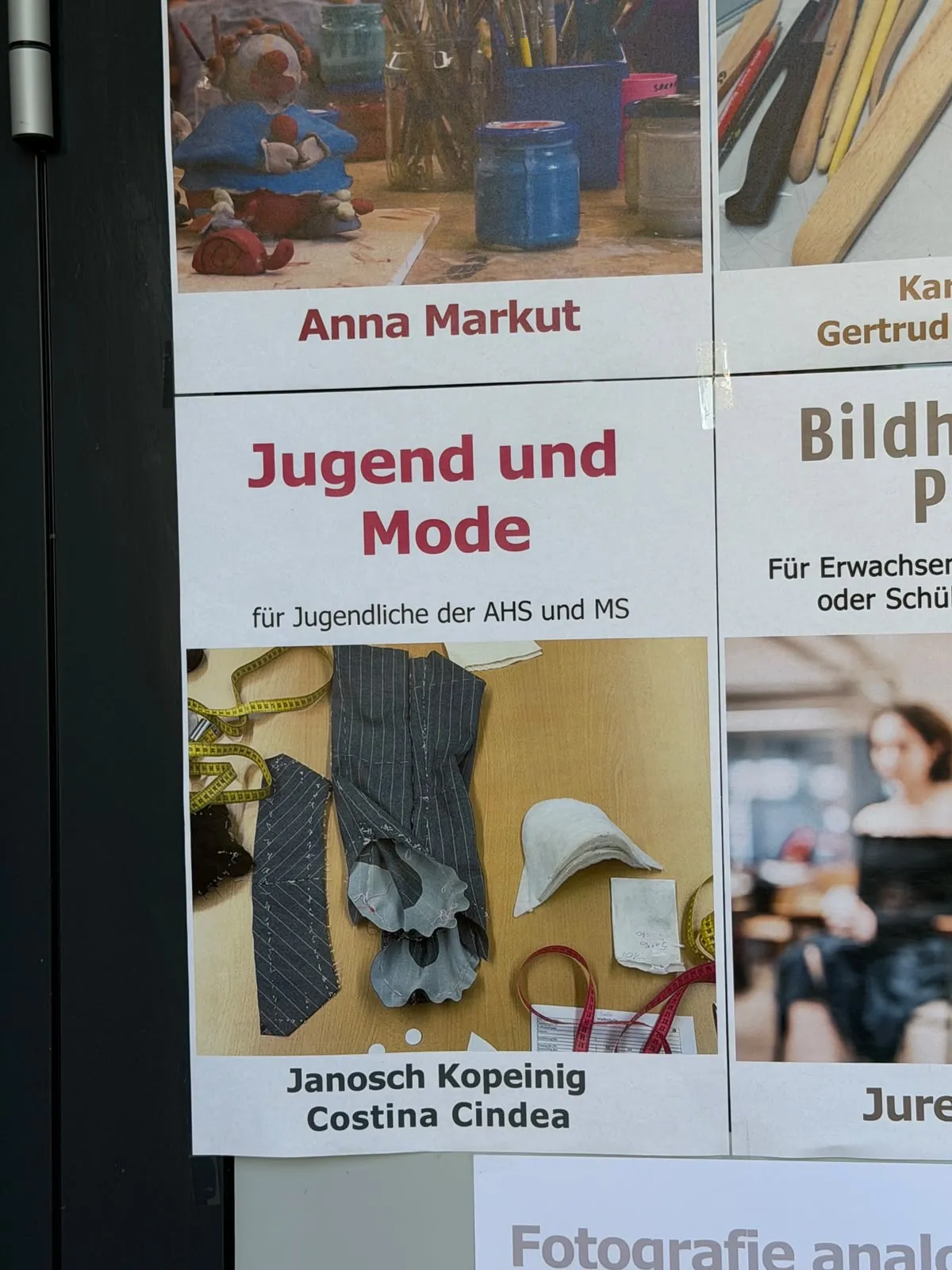
The course was initiated by a former art teacher, who invited Janosch Kopeinig to co-lead a fashion programme together with Costina Cindea. The course was designed for young participants between the ages of 9 and 16 and introduced them to the creative and practical foundations of fashion design.

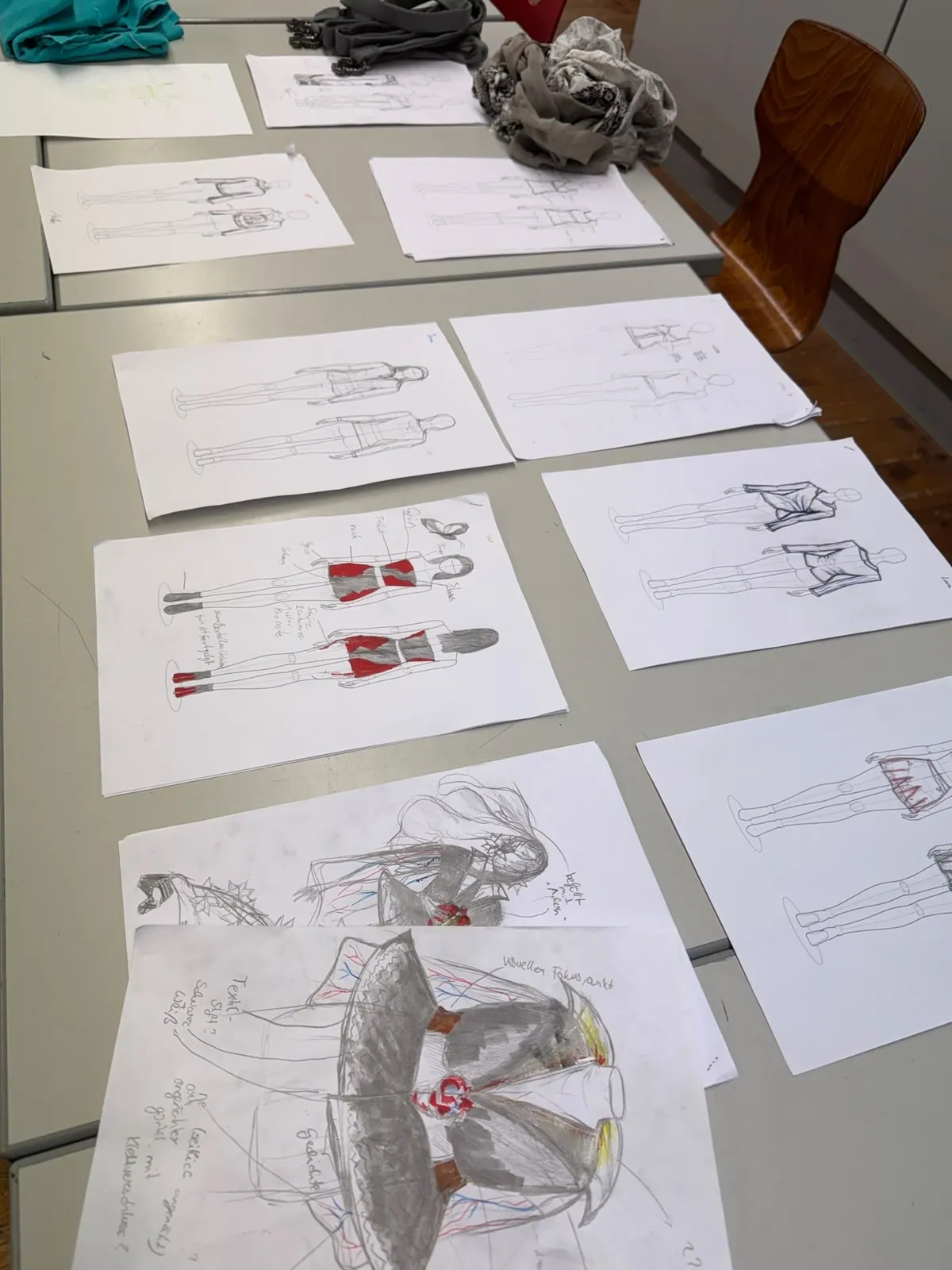
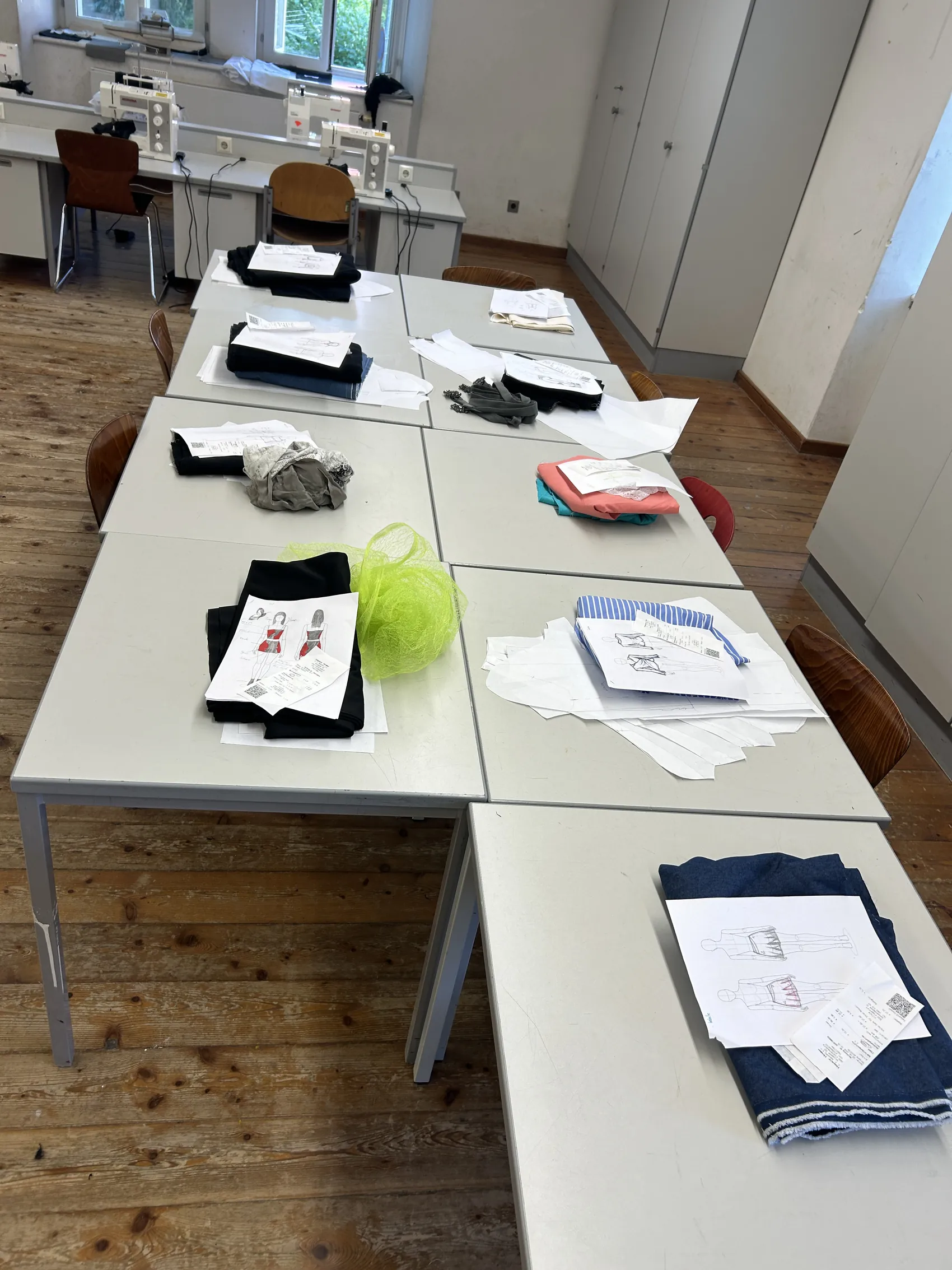
Throughout the course, the students were guided through different stages of the design process. They learned the basics of sewing, developed their own ideas through fashion sketches and experimented with translating their concepts into actual garments.

Each participant ultimately created and produced an individual piece of clothing. The focus was not only on the technical aspects of sewing, but also on encouraging the students to develop their own ideas and understand the process of taking a concept from an initial sketch through to a finished garment.

For Janosch Kopeinig, the project created a connection between his own beginnings in art and fashion education and his current practice as a designer and tailor.

Photos: Janosch Kopeinig

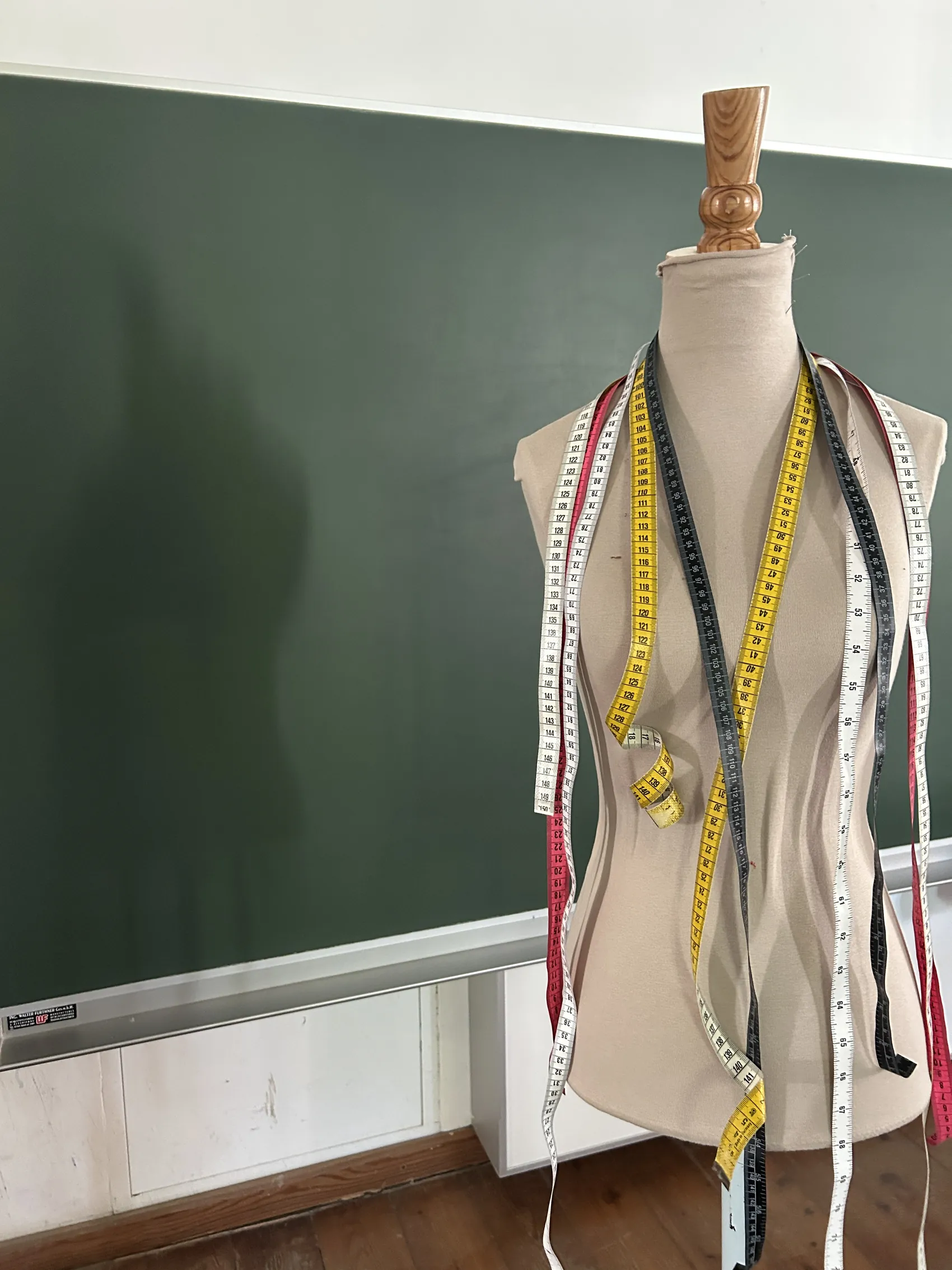
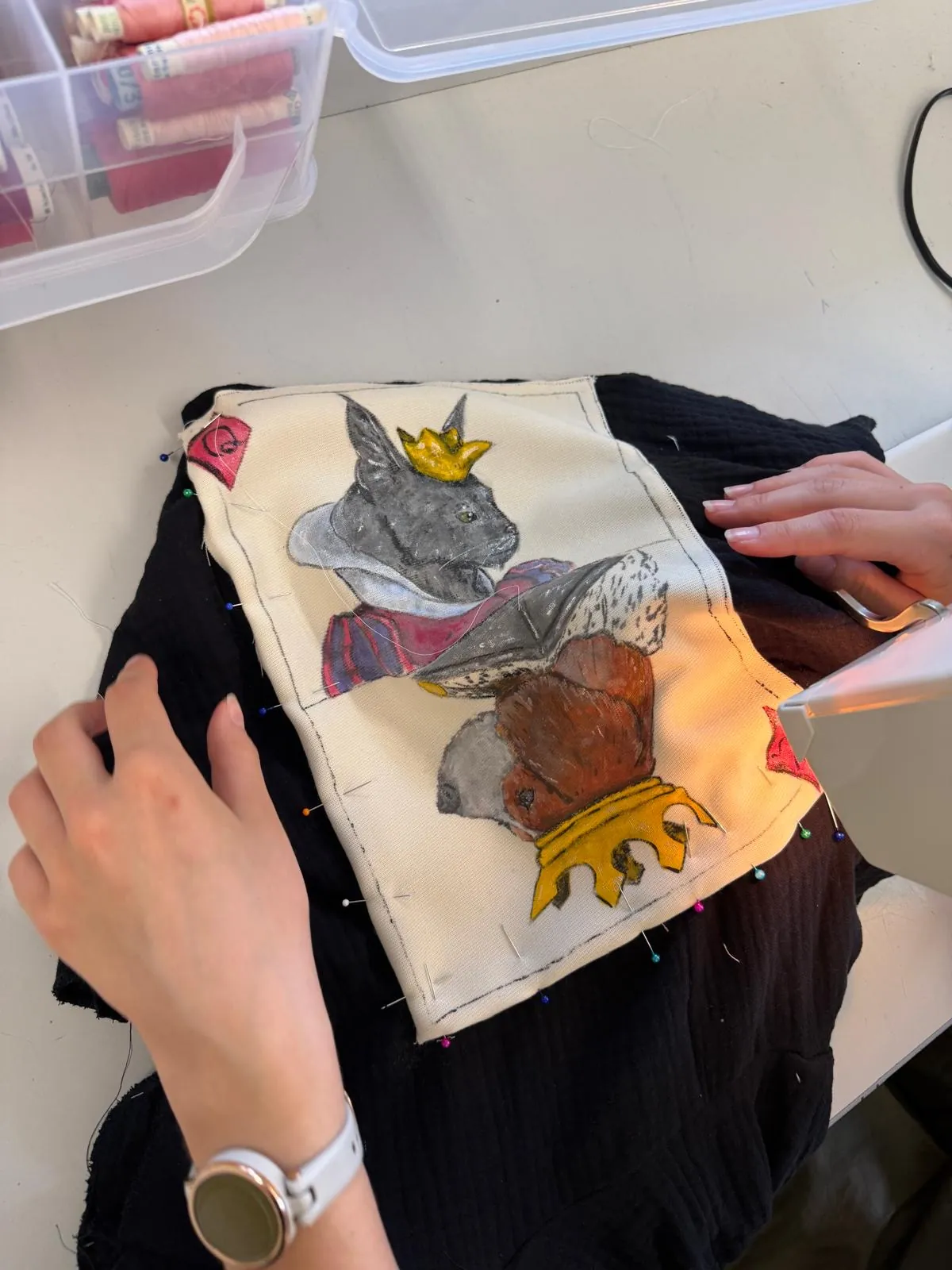
Fashion sketches by the course participants laid out on tables The course poster: Jugend und Mode, with Janosch Kopeinig and Costina Cindea Work tables with fabric and sewing things in the classroom A garment in progress on a dress form, tape measures hanging from it Hands at work on a hand-painted fabric